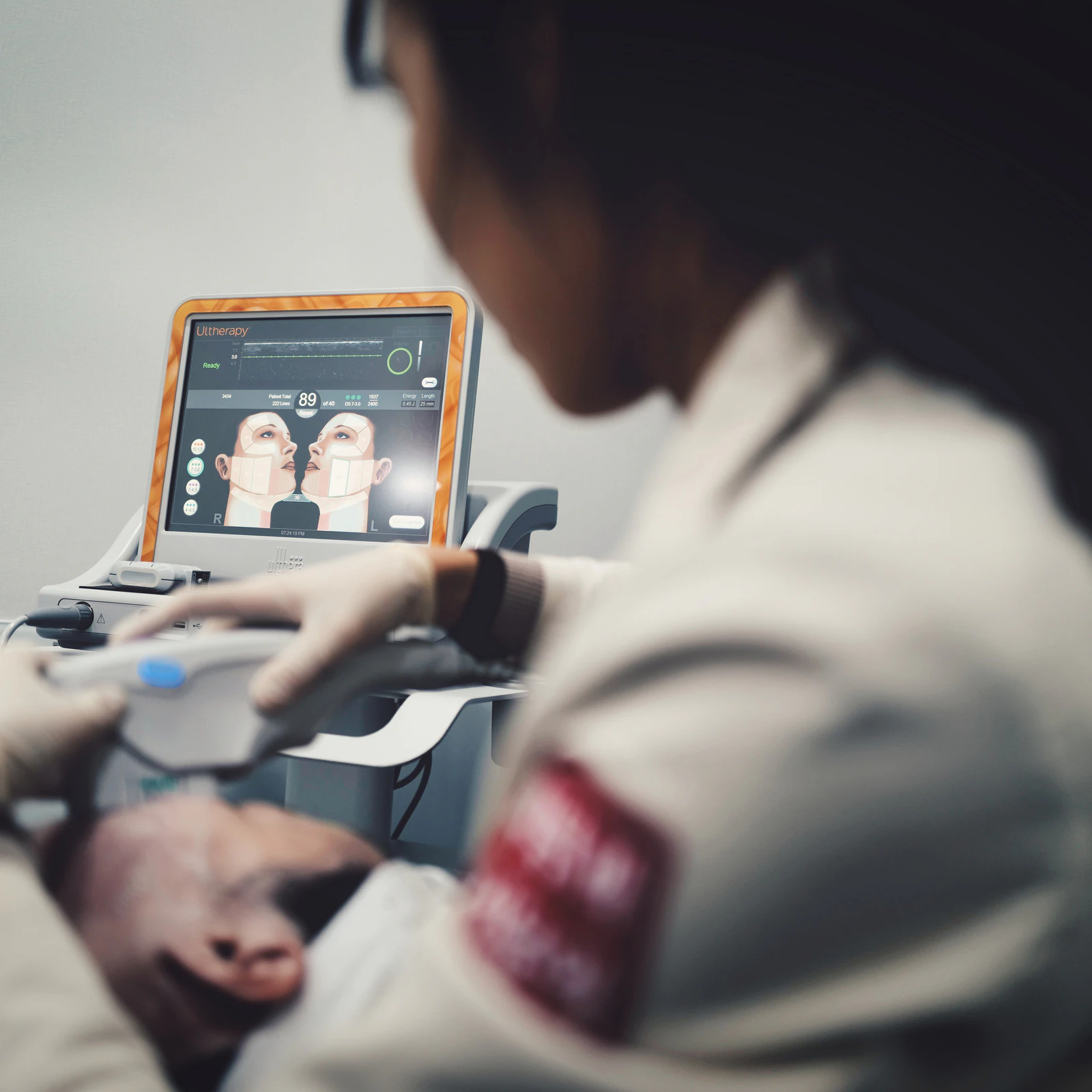
REJURAN® is known to be painful, right?
REJURAN® via Injector Instead of Hand Injection: Does It Mean Less Effect If It Doesn’t Hurt?
Heal House answers the question of whether REJURAN® injected with an injector may be less painful but still effective. We explain the characteristics of an injector that delivers medication at a consistent depth, the difference from manual injection, and why pain and effectiveness are not necessarily proportional.
So I was really nervous, but when I got the treatment with the injector, it didn't hurt at all.
But people around me said that it didn't hurt because I got it with an injector instead of by hand,
and they implied that if you get it that way, it won't be effective.
Actually, it feels like the effect only lasted about 3 days...
If you get it painlessly with an injector, is it really ineffective?
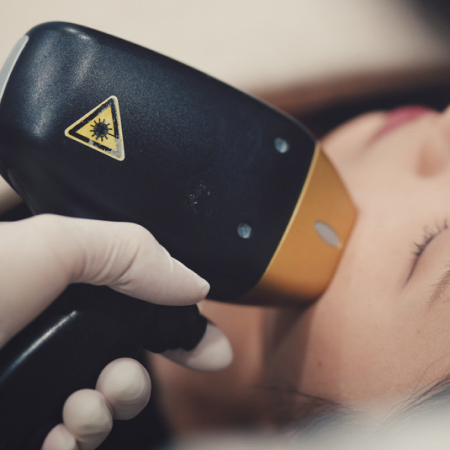
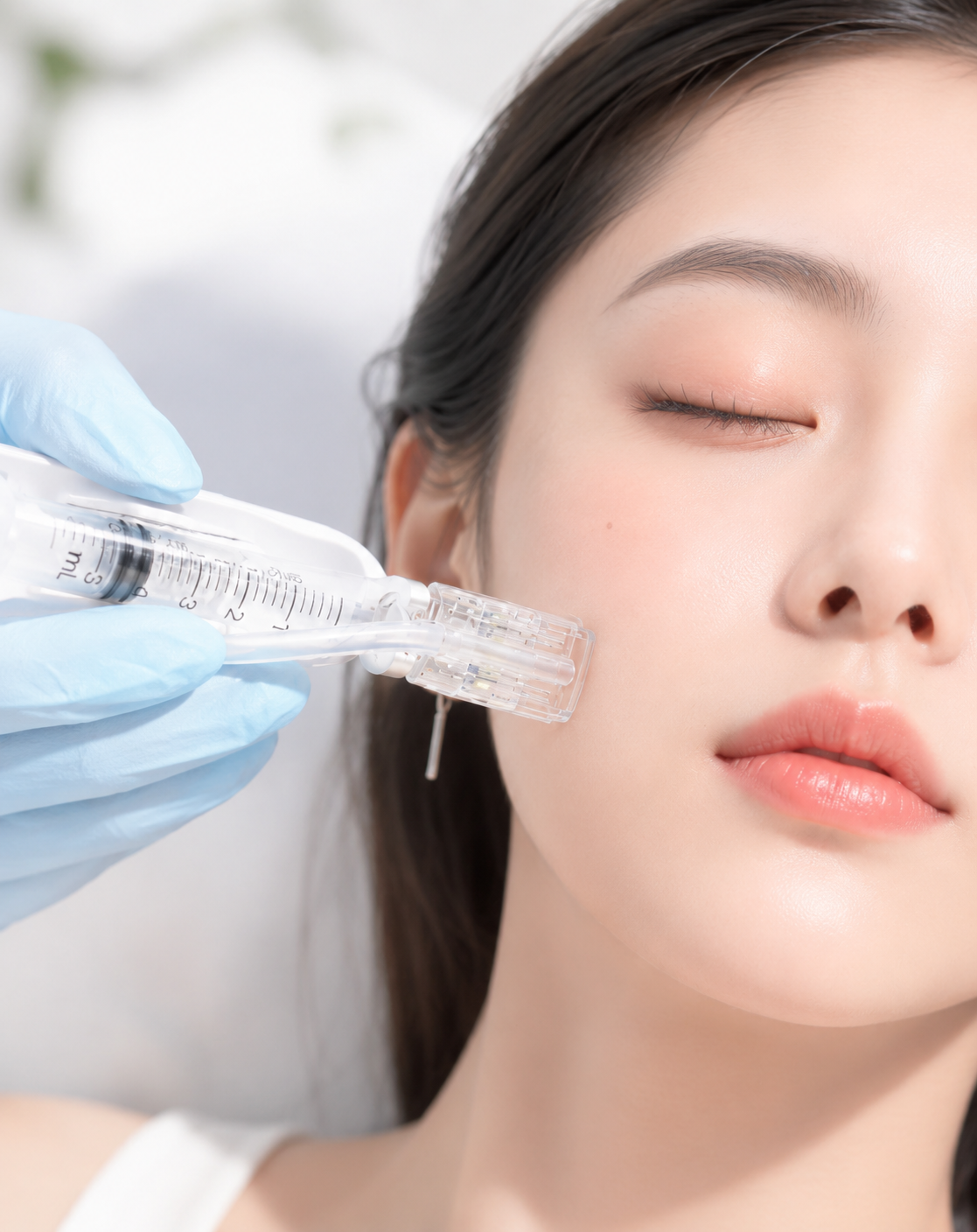
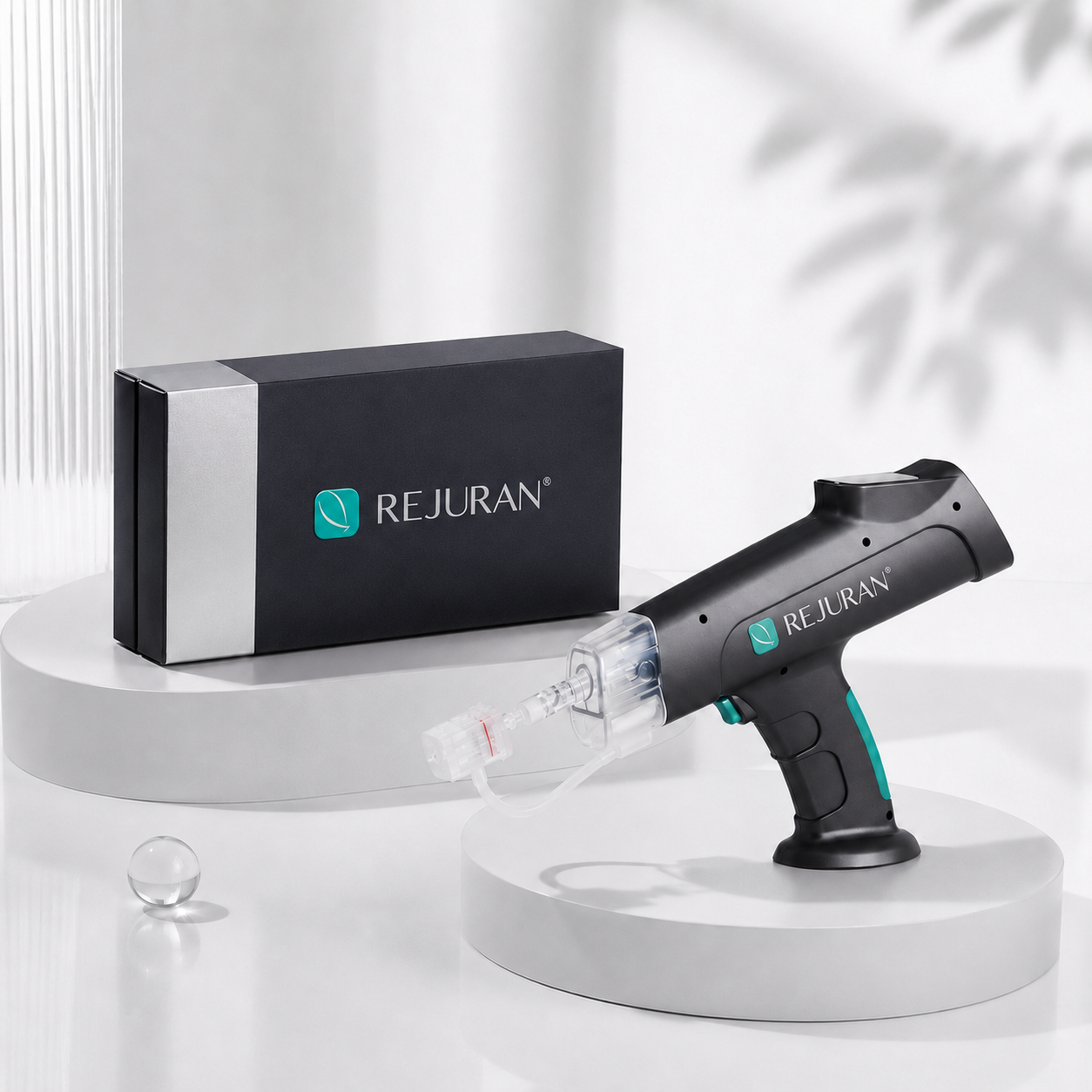
[Injector] A dedicated Skin Booster machine that delivers medication at a consistent depth
[Here is my answer]
It cannot be concluded that the effectiveness of REJURAN® is reduced just because it was injected painlessly with an injector. The reason it didn't hurt may be because the injector, which uses a suction function, gently pulls the skin and delivers the medication relatively consistently to the target layer.
The reason you felt the effect only lasted 3 days may not be solely due to the machine, but rather because you misunderstood the timing of when the skin-regenerating effects of REJURAN® appear, or because the treatment direction needed for your current skin condition was different.

Hello. I am Jeong Han-mi, board-certified dermatologist and lead physician of Heal House Gangnam Branch.
Many people worry about the pain of REJURAN®, which is a representative Skin Booster. As a result, if they think, "It didn't hurt as much as I expected?" they often become anxious and doubt its effectiveness. Recently, however, injectors are sometimes used to reduce the burden of REJURAN® pain. Today, we will explain step by step why injector treatments may feel less painful and what the real key factors are that determine effectiveness.
Why and How Injector-Based Treatment Hurts Less

The reason REJURAN® is known to be painful is that a relatively large amount of medication is often injected into a deeper layer at once, increasing pressure. This causes the inner tissue of the skin to expand momentarily, creating a tearing sensation, which inevitably increases the pain.
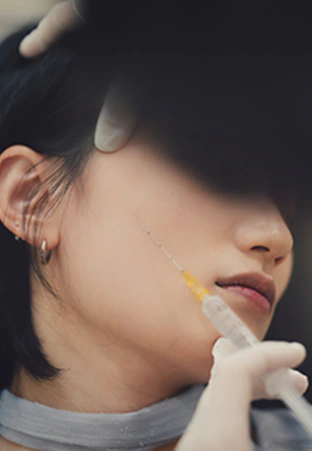
In contrast, the principle of a less painful REJURAN® injection using an injector is as follows. First, the injector uses a suction function to gently lift and consistently fix the skin surface. Then, it injects shallowly and precisely. With the skin pulled taut, the needle goes in very shallowly, injecting a set small amount of medication as if squeezing it out in small bursts. This method reduces the stimulus that would cause significant tissue expansion and lays the medication in small amounts densely across the target layer, so some people find it relatively comfortable even without anesthetic cream. However, a slight stinging sensation may occur depending on the area and skin condition.
[Consultation Summary] REJURAN® pain can occur when a large amount of medication is injected into a relatively deep layer at once, increasing pressure. Using a precise injector to inject shallowly and densely can reduce pain while stably delivering the medication to the target dermal layer.
Does No Bump Mean the Product Wasn’t Delivered Properly?

This image is for illustrative purposes.
Before and after injection, the difference is clearly visible through the embossing.
In some cases, the embossing can be much more pronounced than in the example on the right.
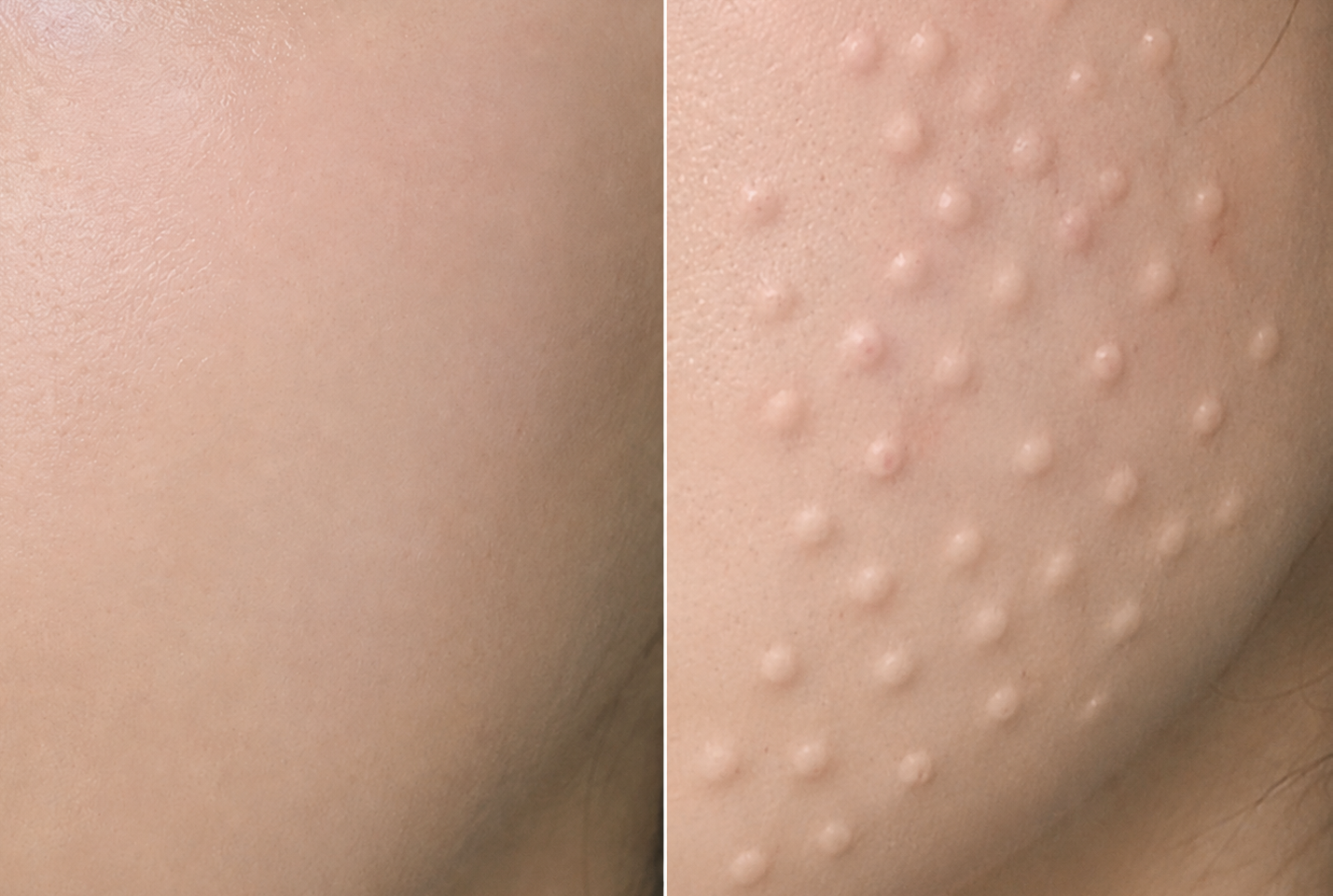
When people think of REJURAN®, many recall the bumpy embossing that appears on the face. So they feel that if the embossing is prominent, the treatment was done properly, and if there is no embossing, they feel the REJURAN® is ineffective. However, embossing is merely a temporary swelling of the skin caused by medication accumulating in one area, and it is not a criterion for effectiveness.
If a large amount is injected into one point, the embossing may appear large. Conversely, if the medication is injected in small amounts densely and distributed as in a less painful REJURAN® injection using an injector, the embossing may be small or subside quickly. In summary, minimal embossing does not mean the medication was not injected; rather, it may indicate that the medication was spread thinly and evenly without pooling in one place.
Furthermore, if your face feels shiny and firm for 2 to 3 days after the treatment, it may be due to temporary hydration from the injection or mild swelling (edema). The skin barrier-repairing and cell-activating effects of REJURAN® are often gradually felt starting 1 to 2 weeks after the treatment, so there is no need to be disappointed too early just because the effect seemed to end after 3 days.
[Consultation Summary] The size or presence of bumpy texture is merely a difference in injection technique and is not proportional to the effect of REJURAN®. The glow felt on day 3 may be a temporary phenomenon, and changes related to cell regeneration are often gradually noticed from 1 to 2 weeks afterward.
If You Received the Treatment Correctly but Still Saw No Results

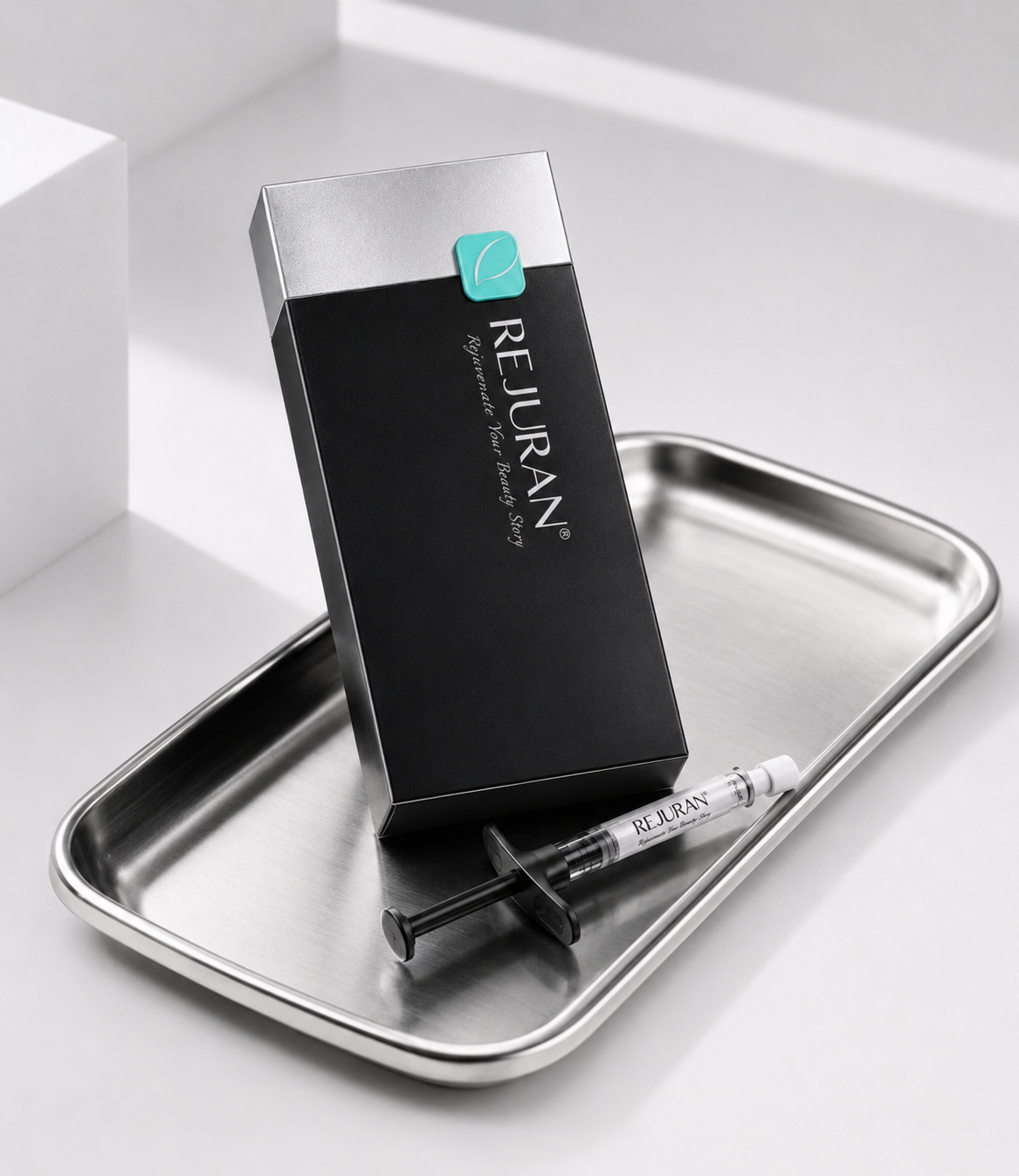
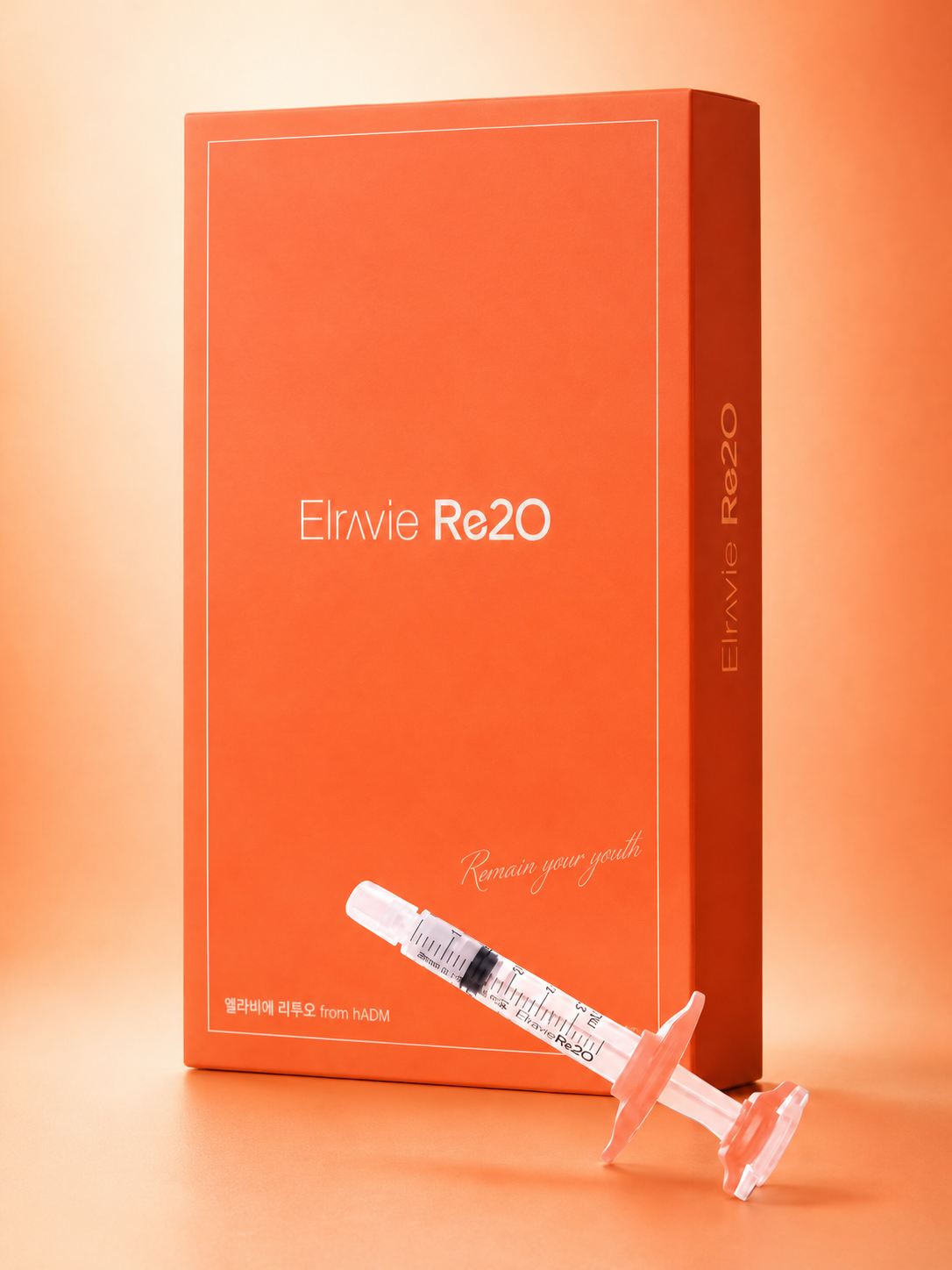
If changes are minimal even after 2 weeks, it may not be a failure of the procedure, but rather that your skin condition and the changes you expected differed from the mechanism of action of REJURAN®. The key ingredient of REJURAN®, PN, does not directly fill the skin with something; instead, it gives a 'signal' for the skin to recover on its own.
Therefore, if your skin barrier is already relatively healthy, or if you were hoping for structural filling (improvement in elasticity, pores), you may find it difficult to perceive significant changes. In such cases, instead of REJURAN®, which provides a signal, you may consider Re2O®, which takes a different approach by supplementing the structural foundation.
This is because Re2O® is a procedure that supplements the skin with 'materials' such as collagen, hyaluronic acid, and elastin through ECM components derived from hADM (human-derived allogeneic dermis). It can be an alternative for those who are concerned about redness, dryness, large pores, and reduced elasticity on the face.
[Consultation Summary] If you endured the pain of REJURAN® but still had low satisfaction, it is possible that your skin type and the purpose of the procedure were not aligned. If your goal is to restore the skin barrier, REJURAN® may be helpful; if you are concerned about structural issues such as pores or loss of elasticity, Re2O® can be a different option.
A Guide to Choosing the Right Skin Booster for Your Skin

■ REJURAN®
A Skin Booster That Awakens Skin Regeneration Signals
This is a procedure that delivers regeneration signals through PN components, allowing the skin to recover on its own.
For those with a weakened and sensitive skin barrier,
for those concerned about rough skin texture and internal dryness,
and for those expecting improvement in fine lines and skin condition,
it may be considered as an option.
Using an injector method can reduce the burden of pain while allowing relatively even distribution of the medication,
making it a potential option for those concerned about the pain of REJURAN®.
■ Re2O®
An ECM-Based Skin Booster That Complements the Skin Foundation
Re2O® is a procedure that uses hADM-based ECM components to supplement the foundational elements that make up the skin structure.
For those who received REJURAN® properly but felt little effect,
and for those concerned about aging-related hollowness, enlarged pores, and loss of elasticity,
it may be considered as an option.
Beyond simply giving regeneration signals to the skin,
it is a different approach from REJURAN® in that it can be expected to supplement the weakened dermal environment and skin foundation.
[Consultation Summary] It is important to know whether your skin is at a timing that needs a 'signal (REJURAN®)' for self-regeneration, or if it needs 'materials (Re2O®)' to fill the collapsed structural support. The procedure direction should be set through a precise diagnosis with a dermatologist to achieve the best results from REJURAN® and satisfaction with Skin Boosters.
Frequently Asked Questions

Q. People around me say that the effect of REJURAN® is only certain when administered by hand injection. Is that true?
That is not necessarily correct.
What determines the effect is not 'hand vs. machine' but 'whether the medication is stably delivered to the correct dermal layer.'
Even with hand injection, if the depth and amount of injection are not appropriate, the pain of REJURAN® can be greater. Using an injector to uniformly deliver the medication at the precise depth is also one of the precise treatment methods.
Q. If I receive the treatment with a machine (injector), is it really not painful without applying numbing cream?
It is possible in some cases.
By using a method that pulls the skin with negative pressure and injects small amounts into the superficial layer, which is a way to receive REJURAN® with less pain,
you can reduce the burden of pain from REJURAN® and undergo the procedure relatively comfortably. The intensity of pain does not prove the magnitude of the effect.
It is not the case.
Q. It has been 3 days since the procedure, and my skin seems to have returned to its original state. Does that mean the treatment is ineffective?
The moist feeling for 2 to 3 days immediately after the procedure may be a temporary phenomenon caused by the injection stimulation and fluid components.
Changes related to skin regeneration from REJURAN® may gradually appear from 1 to 2 weeks afterward, as skin cells become activated,
so it is recommended to wait a little longer and observe.

Hanmi Jung, Dermatologist

As the lead doctor of Heal House Gangnam Branch, I have been analyzing thousands of faces for over 10 years.
As an active member of the Korean Dermatological Association and the Korean Association of Dermatologists, we continue to engage in academic activities.
Dr. Jung has published papers in SCI-indexed journals and presented at both international and domestic academic conferences.
I pursue a "small, elegant, Glowing Face" (small-elegant-glow),
and aims to provide care that reads the overall balance of the patient's face, rather than simply performing a procedure.
Was this article helpful?