Dr. Jung Min Bae gave an invited vitiligo lecture in Xi'an and Shanghai
Director Jung Min Bae was invited to the Xijing Hospital in Xi'an, China, and the Asian Society for Pigment Cell Research (ASPCR 2025) in Shanghai to give lectures on big data-based vitiligo assessment methods and personalized treatment strategies.
Invited Lecture at the Department of Dermatology, Xijing Hospital, and Participation in the Asian Society for Pigment Cell Research
Presentations on Big Data-Based Vitiligo Assessment Methods and Personalized Treatment Strategies
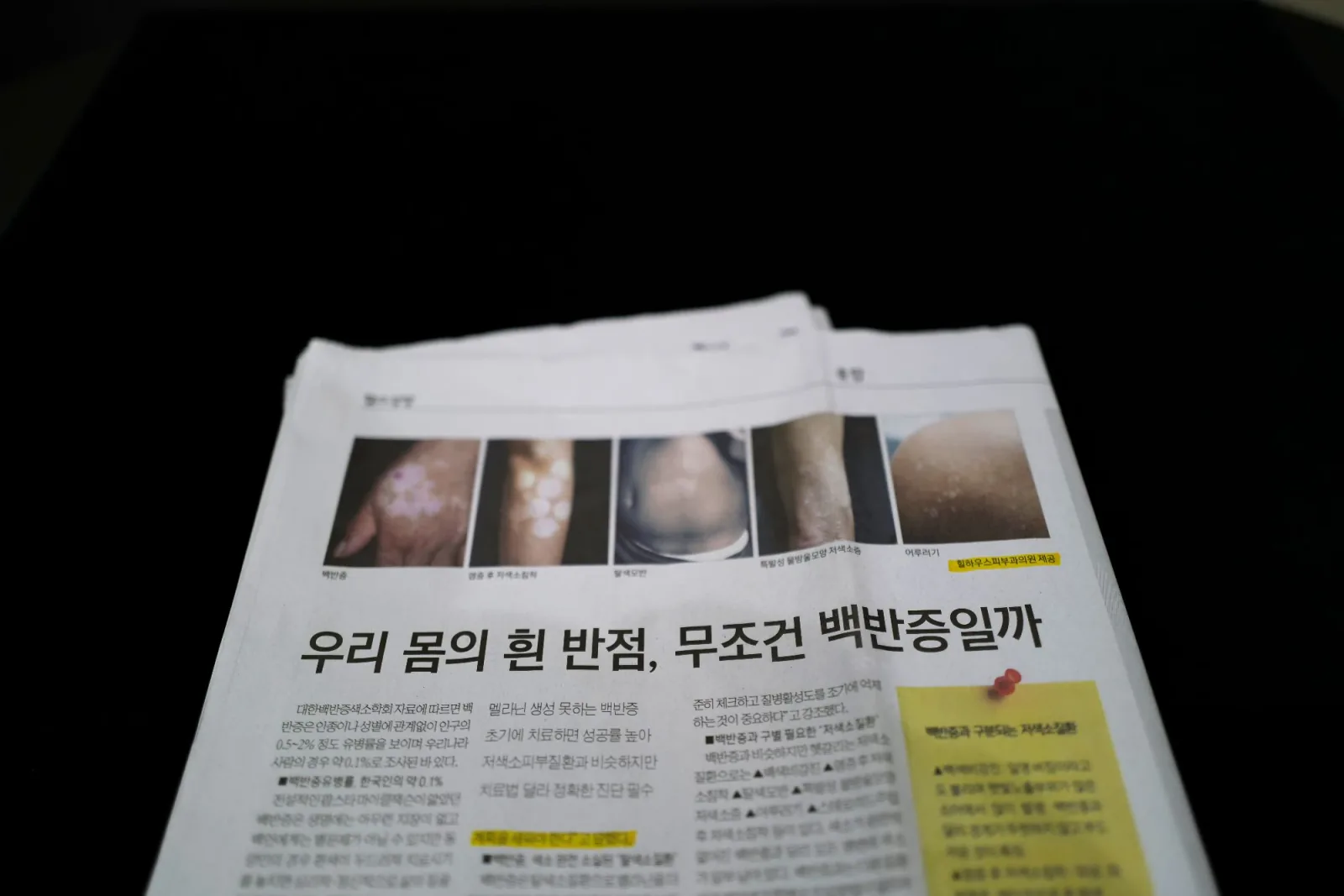
Director Jung Min Bae was invited to give lectures at consecutive international academic events held in Xi'an and Shanghai, China. First, in Xi'an, the lecture was held at the invitation of the Department of Dermatology of the First Affiliated Hospital of the Air Force Medical University (Xijing Hospital). In the presence of faculty, fellows, researchers, department members, and students, he introduced perspectives on understanding vitiligo through big data analysis and new assessment methods. He discussed that vitiligo should be viewed not merely as a single disease but that its diverse clinical presentations and treatment responses need to be objectively analyzed. He shared methods for precisely evaluating disease characteristics and prognosis using data accumulated in clinical practice, followed by active discussion.
Subsequently, at the 12th Asian Society for Pigment Cell Research (ASPCR 2025) held in Shanghai, he gave a lecture on personalized treatment strategies for vitiligo. The event brought together pigment disorder researchers and dermatologists from across Asia. Director Bae shared his clinical experience that, since the location, progression pattern, and treatment response of lesions vary from patient to patient, customized treatment that considers the patient's condition is more important than a uniform approach.
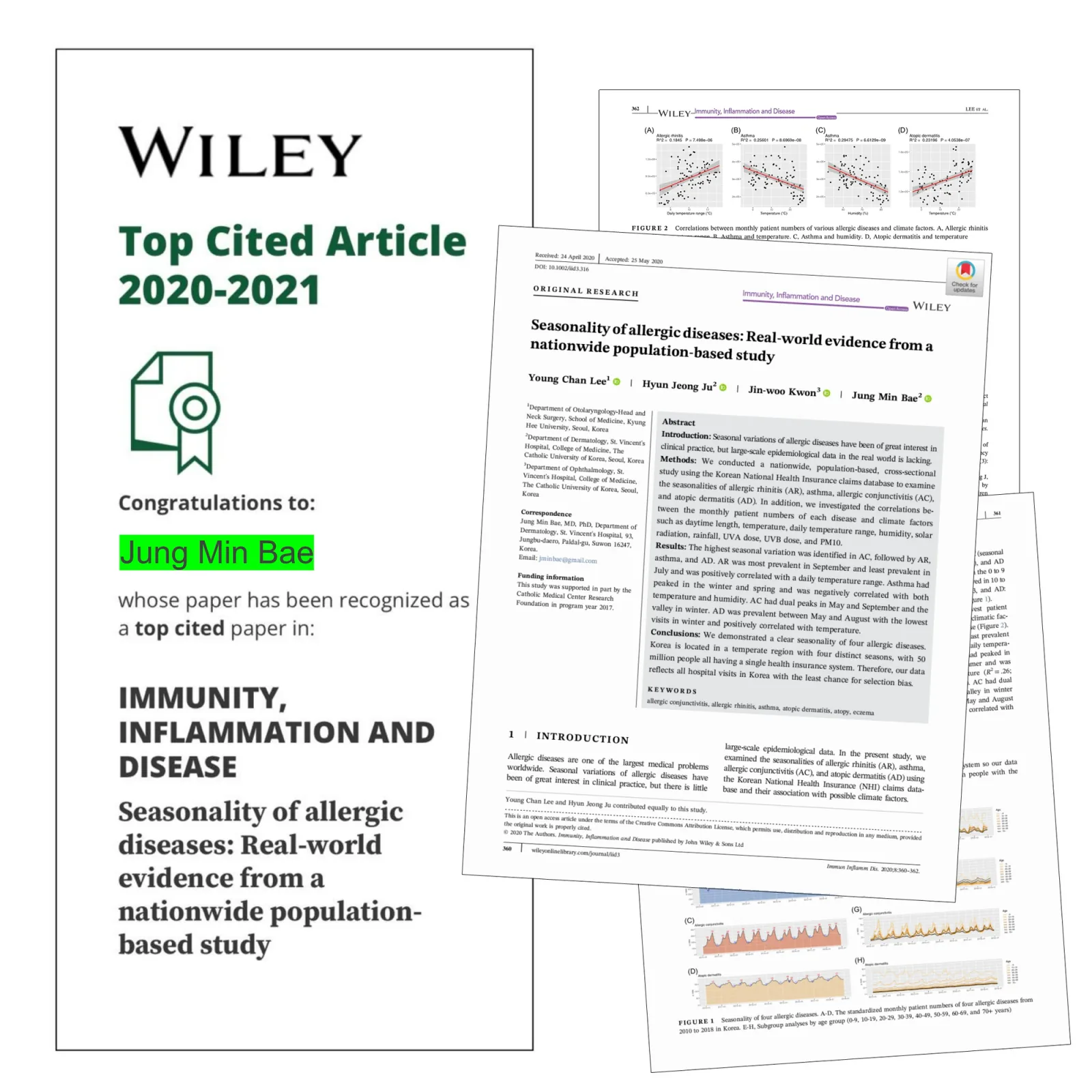
He also emphasized that research should not end with a paper. Better treatment standards are created only when the process of developing questions discovered in the clinic into research and then applying the results back to clinical practice is repeated.
Although borders and languages differ, the concern for patients is the same. Heal House will continue to share clinical experience accumulated domestically on the international academic stage and pursue research and collaboration to bring new treatment possibilities to vitiligo patients.
Was this article helpful?