

Heal House Vitiligo Clinic
15 years dedicated solely to vitiligo
Thoroughness that examines even unseen areas
Warmth that lifts even the shadows of the heart
Excimer Clinic — Phototherapy for Vitiligo
Heal House Excimer Clinic
Restoring Skin Pigment with Light
Phototherapy for Vitiligo
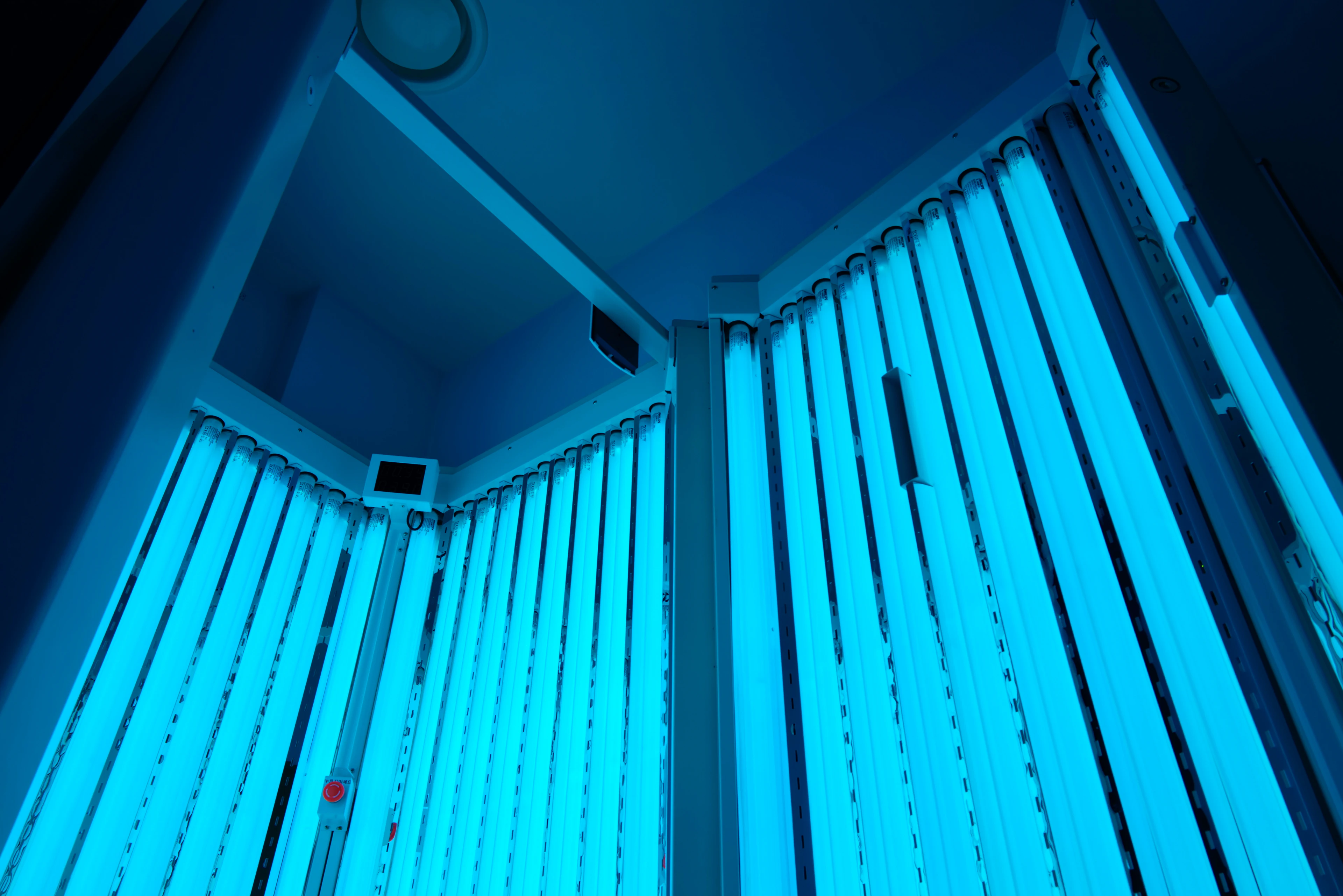
Phototherapy for vitiligo involves exposing the skin only to specific ultraviolet wavelengths that are effective for treating vitiligo, promoting the proliferation and migration of melanocytes. It is the most standard treatment for inducing repigmentation, using narrowband UVB (NB-UVB), excimer laser, PALLAS and other devices.
Heal House Excimer Clinic
How Phototherapy Restores Pigment
Specific ultraviolet light stimulates hair follicles to induce activation and migration of melanocytes.
The migrated pigment cells settle in the vitiligo area, naturally restoring skin color.
-
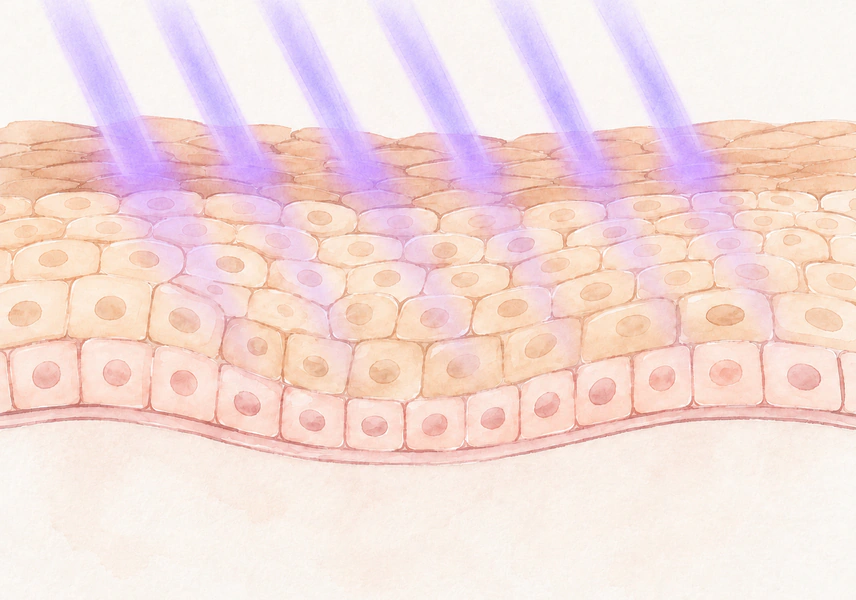
STEP 1
UV Light Reaches the Skin
The ultraviolet light needed for treatment reaches the affected area.
-
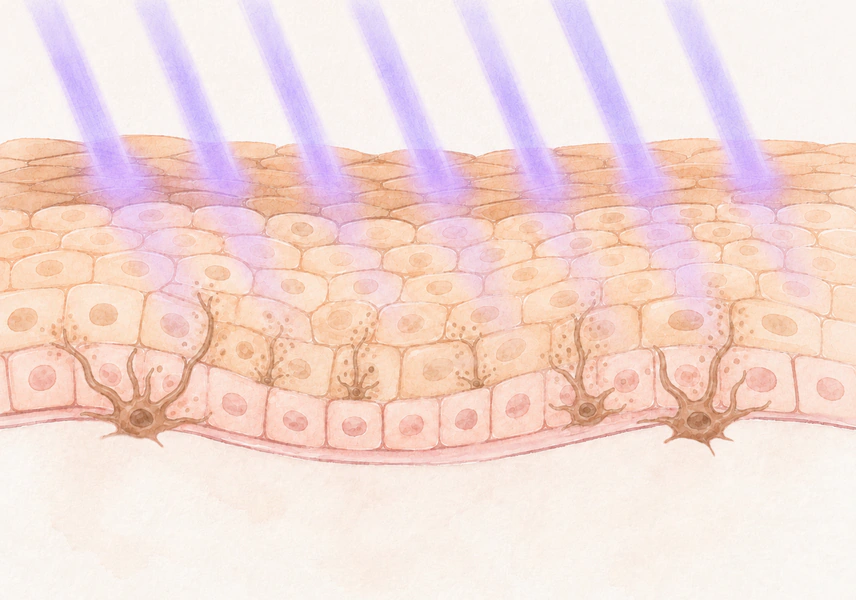
STEP 2
Pigment Cells Are Activated
Signals from the epidermis help activate hair-follicle melanocytes and promote their migration.
-
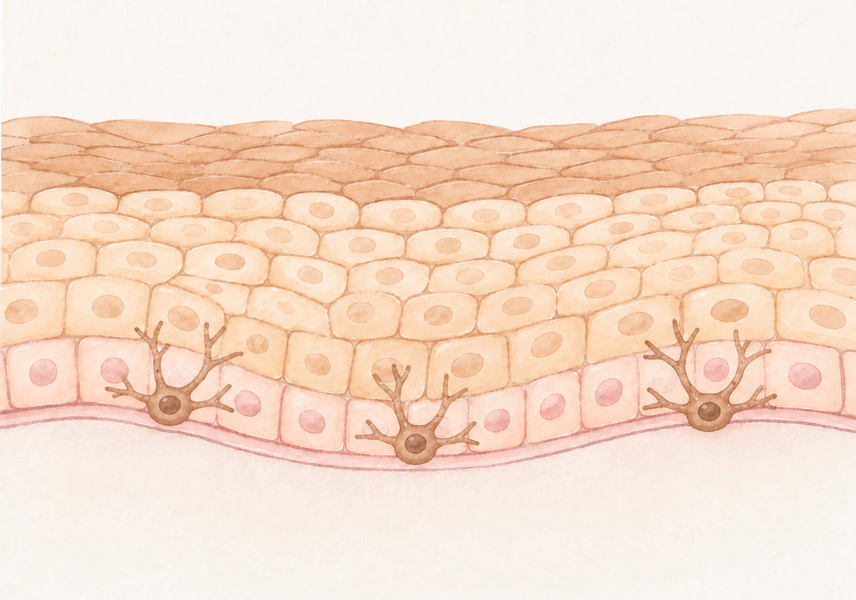
STEP 3
Pigment Returns to the Skin
The migrated melanocytes settle in the lesion, and color returns.

Heal House Excimer Clinic
Types of Phototherapy and Who They Are For
Narrowband UVB (NB-UVB) Therapy
A standard treatment that treats large areas at once and helps prevent spreading. (Twice a week)
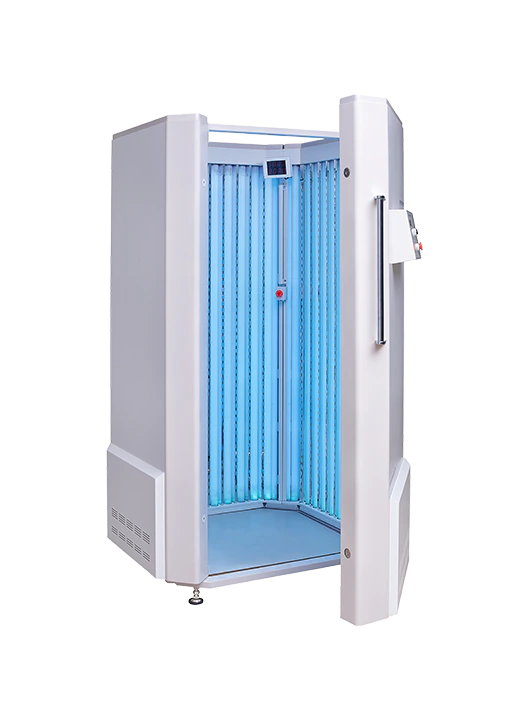
Whole-body phototherapy device
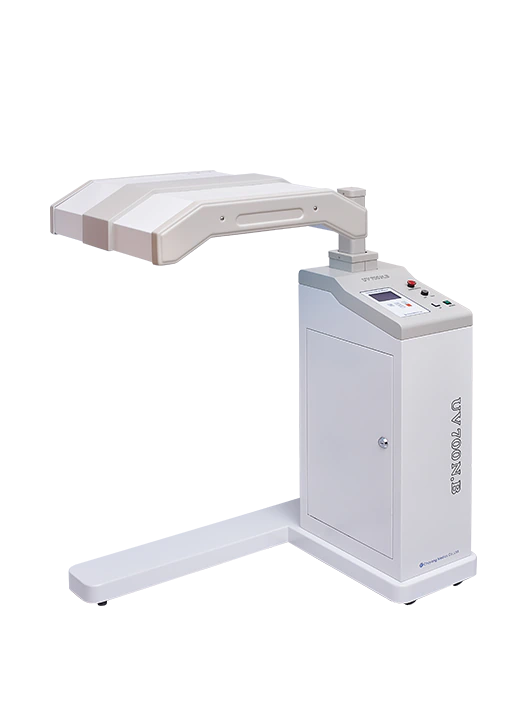
Facial phototherapy device
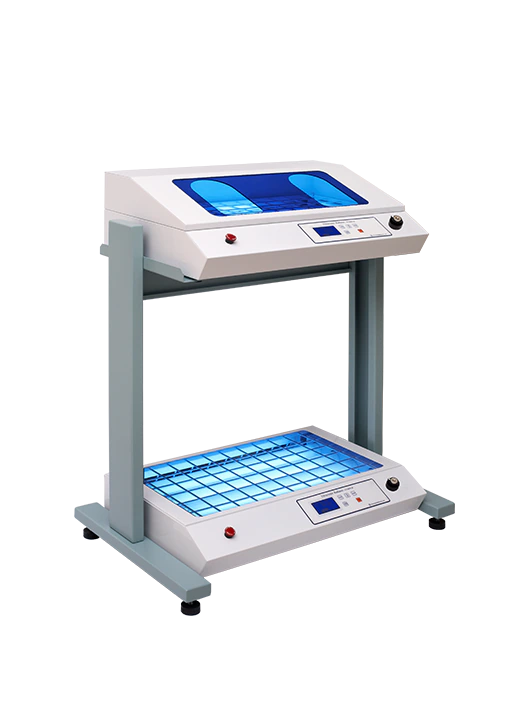
Hand and Foot Phototherapy Device
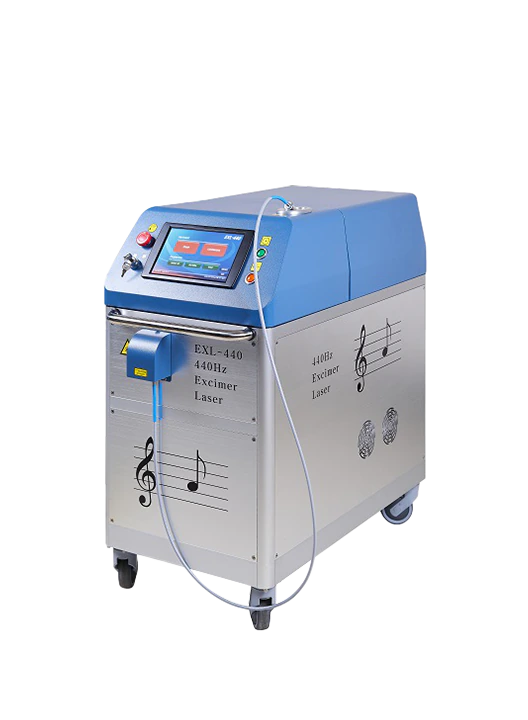
Excimer laser
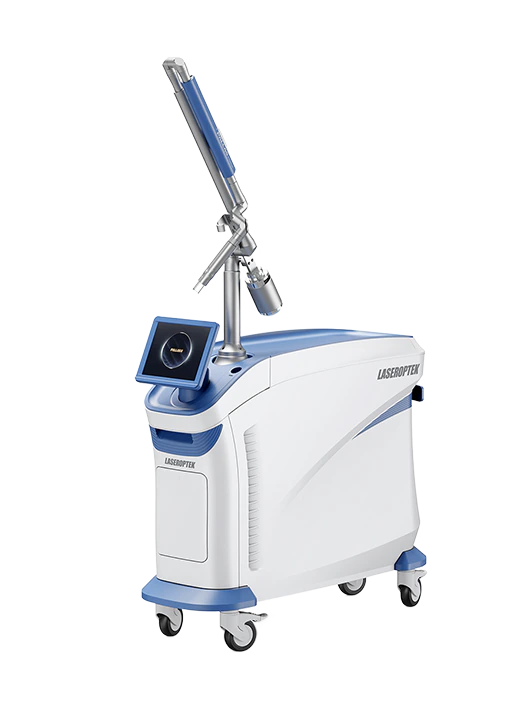
PALLAS PREMIUM
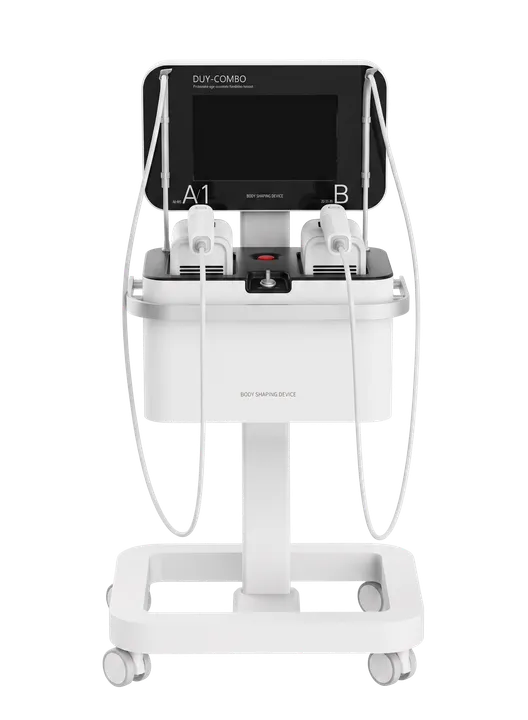
UVA1 Phototherapy Device
Heal House Excimer Clinic
Consistency Brings Change,
Treatment Duration and Progress
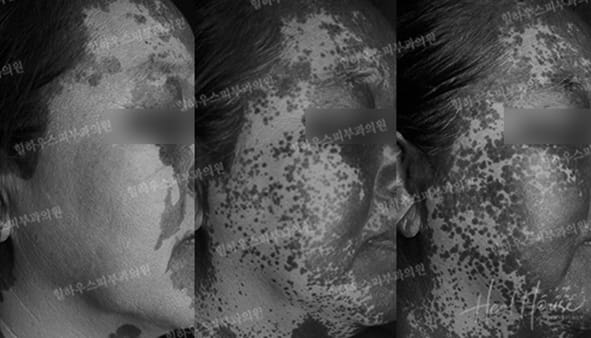
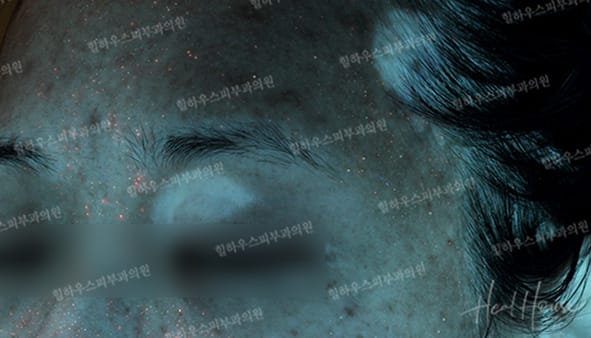
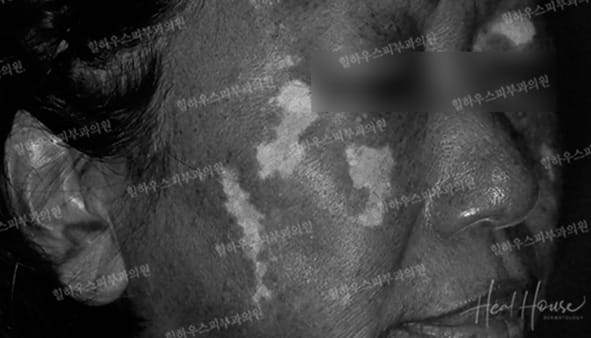
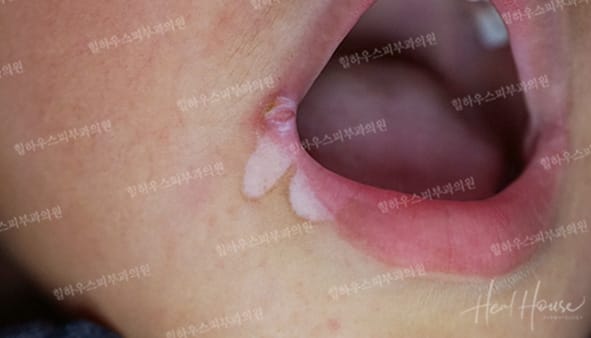
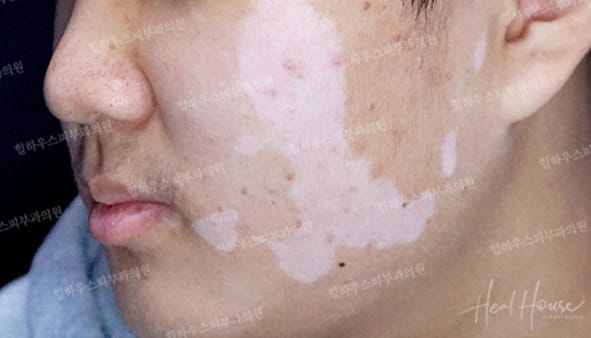
Consistency is important in phototherapy. Treatment typically continues for about 6 months to 1 year, and the response speed varies by area. You should treat for at least 3 months to gauge the response. Pigment is observed to gradually return around hair follicles, at the lesion border, or across the entire lesion. The response varies by area and individual, so the plan is adjusted as progress is monitored.








Heal House Excimer Clinic
Preparing for Treatment Day
Preparing for Treatment Day
Since phototherapy uses ultraviolet light, it is important to prepare so that the light reaches the skin well. Even if it is inconvenient, it is recommended to remove sunscreen and makeup from the treatment area before coming in. Some of the light may be blocked.
If you are receiving treatment in the morning, it is better to apply topical medication (ointment) after the treatment. If the skin is shiny from the ointment, some of the light may be reflected.
Since the treatment area and intensity vary by individual, please let us know during your consultation if there are any changes in your skin condition or overall health.
-
Rarely, blisters may occur after phototherapy. The approach differs depending on the size and condition, so it is advisable to come to the clinic so we can examine them. If you cannot come right away, apply a cold compress first, and keep the blisters intact and manage them to prevent secondary infection.
-
Phototherapy may be performed together with topical or oral medications. Information on the types and methods of concurrent medications is provided on the Medication Treatment page.
Heal House Excimer Clinic
Our Dermatologists at Heal House Have Continuously Studied Effective Phototherapy
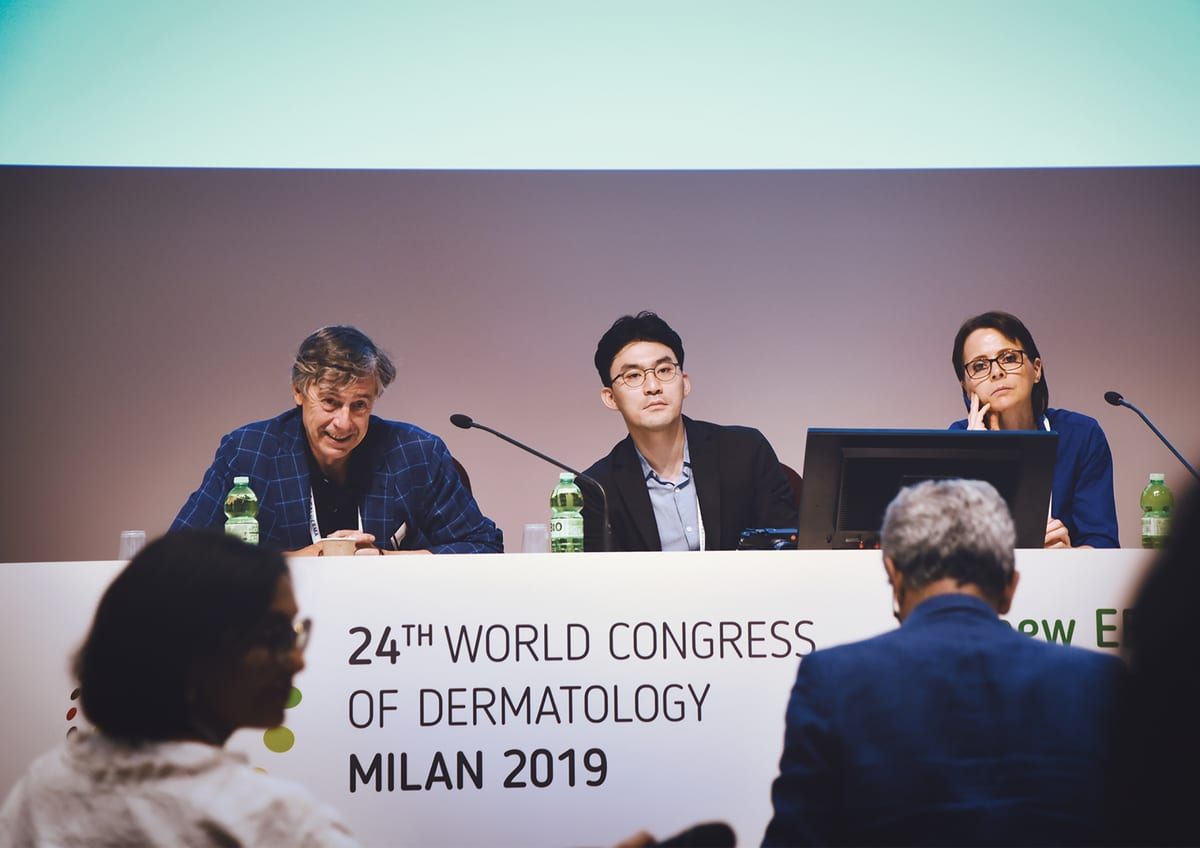
At Heal House, board-certified dermatologists who have consistently researched effective phototherapy for skin diseases provide direct care.
- Ultraviolet Therapy
12-month Overall Treatment Success Rate - 35.7%
- Face and Neck
6-month Treatment Success Rate - 44.2%
Treatment results may vary depending on the individual's condition and the area being treated.
Heal House Excimer Clinic