Vitiligo Research at Heal House

About Heal House Vitiligo Research

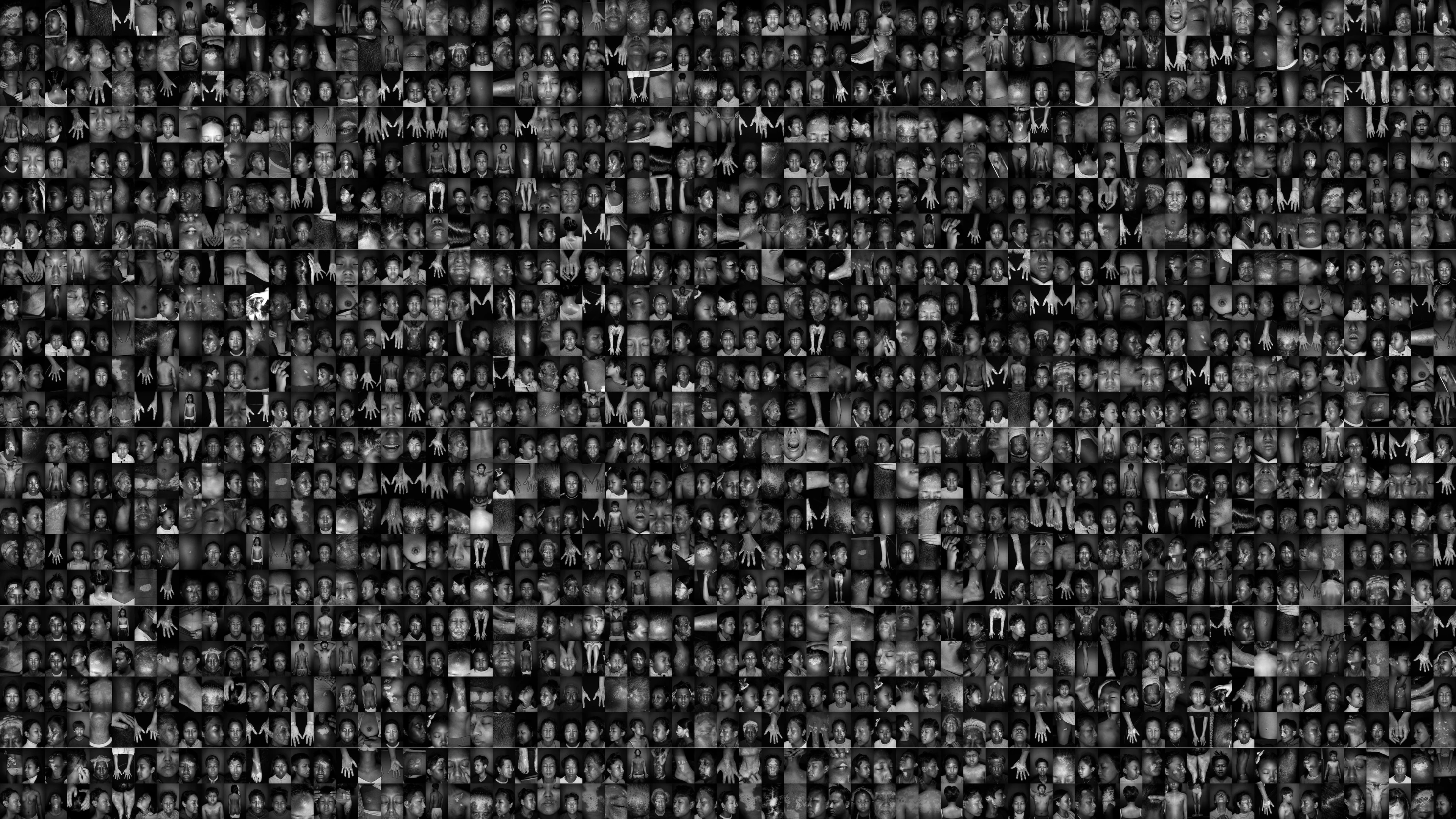
A vitiligo study began from a small question from a patient.
Among the 205 papers completed after long discussions with colleagues around the world, we introduce representative studies.

Vitiligo Research 205+
205+
  1. NO. 74

    What causes vitiligo and how is it treated?

    Vitiligo is a disease in which the body's immune system mistakenly attacks the pigment cells in the skin. It affects about 3 to 4 in 1,000 people worldwide. In recent years, new treatments that can reverse the progression of the disease have also emerged.

    Nat Rev Dis Primers (2025)

  2. NO. 69

    How many people worldwide have vitiligo?

    It is estimated that about 3 to 4 in 1,000 people worldwide will experience vitiligo at some point in their lives. In terms of number of people, this is approximately 28.5 million. It was more common in adults.

    Lancet Public Health (2024)

  3. NO. 67

    What are the treatment options for vitiligo and how do you choose?

    Vitiligo treatment is divided into phototherapy, topical medications, oral medications, and procedures. By organizing each treatment according to how it works in the body, you can make a more informed choice. Recently, a new class of drugs called JAK inhibitors is gaining attention.

    Dermatology (2024)

  4. NO. 62

    Global vitiligo experts developed treatment guidelines — diagnosis and management

    This belongs to the same international consensus guideline as study no. 61. This part covers 'diagnosis and management.' It sets standards from the naming of the disease to the major steps of diagnosis, evaluation, and treatment, and emphasizes shared decision-making between doctors and patients.

    J Eur Acad Dermatol Venereol (2023)

  5. NO. 61

    Global vitiligo experts developed treatment guidelines — therapies

    Vitiligo experts from around the world gathered to create international treatment guidelines. This section covers the 'treatment' part. It summarizes how to use topical medications, oral medications, and phototherapy depending on the situation.

    J Eur Acad Dermatol Venereol (2023)

  6. NO. 54

    How effective is the new vitiligo drug LITFULO?

    This is an international clinical trial that checked whether the new oral drug LITFULO (ingredient name ritlecitinib) is effective for vitiligo. 364 people participated, and the white areas on the face noticeably decreased.

    J Am Acad Dermatol (2023)

  7. NO. 53

    After vitiligo improves, what can be done to prevent relapse?

    For vitiligo, what happens after color returns is more important. So what should you do to preserve the regained color? This is a study in which multiple hospitals worked together to find the answer through a randomized trial.

    Photodermatol Photoimmunol Photomed (2022)

  8. NO. 51

    Can the Parkinson's drug levodopa help prevent vitiligo?

    In people who took levodopa, used for Parkinson's disease and other conditions, a tendency for less vitiligo was observed in national data. This is the first study to examine the new possibility of vitiligo 'prevention'.

    Br J Dermatol (2022)

  9. NO. 48

    How much change counts as a meaningful improvement in vitiligo?

    There are scores that measure how extensive vitiligo is: a clinician-assessed extent score and a patient self-assessment score. This international study identified the threshold of change in these scores at which patients feel they have 'truly improved.'

    J Am Acad Dermatol (2021)

  10. NO. 39

    Does excimer laser for vitiligo need to cause redness to be effective?

    We compared excimer laser applied with enough energy to cause the skin to turn red versus excimer laser applied gently enough not to cause redness. In both cases, Protopic ointment was also applied. This trial aimed to find a balance between safety and effectiveness.

    J Am Acad Dermatol (2020)

  11. NO. 38

    What topics do people with vitiligo discuss online?

    Vitiligo patients and their families actively shared hospital recommendations, diagnosis and treatment inquiries, and personal thoughts in online communities. This is the result of our research team's analysis of 1,000 Naver Cafe posts.

    Korean J Dermatol (2020)

  12. NO. 33

    Can a smartphone take clear photos of vitiligo?

    Using only a smartphone and a simple polarizing film, glare on the skin surface can be eliminated. We introduced a method to photograph vitiligo white patches and other skin lesions more clearly.

    J Am Acad Dermatol (2020)

  13. NO. 27

    Are Protopic ointment and ELIDEL cream effective for vitiligo?

    Protopic ointment and ELIDEL cream showed considerable effectiveness for vitiligo even when used alone. When combined with light therapy, the effectiveness increased further. They are a good option for those who are concerned about using steroids.

    JAMA Dermatol (2019)

  14. NO. 23

    Can vitiligo develop on scars or wound sites?

    This is a case of vitiligo developing on a keloid scar. It is an example of the Koebner phenomenon, where the disease appears on irritated skin, and shows why it is important to reduce unnecessary skin irritation in vitiligo.

    J Dermatol (2019)

  15. NO. 20

    Can wearing a mask cause vitiligo?

    This is a case of contact vitiligo where white patches appeared on the skin touched by the rubber ear loops of disposable masks. Certain chemicals in the rubber can damage pigment cells.

    Eur J Dermatol (2018)

  16. NO. 11

    How does vitiligo affect patients’ quality of life?

    Vitiligo had a greater negative impact on quality of life when it was on visible areas or covered a larger area. This was confirmed by a survey of 1,123 patients from 21 hospitals nationwide.

    Br J Dermatol (2018)

Loading research content.