

Heal House Vitiligo Research 27 · Original article
Are Protopic ointment and ELIDEL cream effective for vitiligo?
Treatment Outcomes of Topical Calcineurin Inhibitor Therapy for Patients With Vitiligo: A Systematic Review and Meta-analysis
Final review
In short
Protopic ointment and ELIDEL cream showed considerable effectiveness for vitiligo even when used alone. When combined with light therapy, the effectiveness increased further. They are a good option for those who are concerned about using steroids.
"I'm worried about using steroid ointment for a long time." This is something I hear often in the clinic. In such cases, the medications I recommend are Protopic ointment and ELIDEL cream. However, the actual effectiveness of these medications when used alone had not been well understood. This was because studies were scattered across various sources and had never been compiled in one place. So, I gathered all studies from around the world and evaluated the true performance of these medications in numbers.
Q1 What are Protopic Ointment and ELIDEL Cream?
They are topical immunomodulators, not steroids. Vitiligo occurs when immune cells attack pigment cells. These medications help by suppressing this overactive immune response. Unlike steroids, they carry less risk of thinning the skin, so they can be used for a long time even on sensitive areas like the face. However, their results when used alone had generally been rated as low. It was necessary to gather the scattered studies and evaluate them properly. So I thoroughly searched through multiple databases and selected 56 prospective studies for analysis.
Q2 How effective are they when used alone?
Even when used alone, noticeable changes were observed in more than half of patients. When the medication was used alone, 55.0% of patients achieved at least 25% repigmentation. The proportion with at least 50% repigmentation was 38.5%, and 18.1% achieved clear repigmentation of 75% or more. Results were even better on the face and neck, where 35.4% of patients showed clear improvement. As you can see in the table below, these results are not low for a topical-only treatment. However, please keep in mind that response may vary depending on the area and lesion.
Degree of repigmentation with Protopic ointment and ELIDEL cream (use alone vs. combined with light therapy)
| Degree of repigmentation | Use alone | Combined with light therapy |
|---|---|---|
| Any repigmentation (at least 25%) | 55.0% | 89.5% |
| Clear repigmentation (75% or more) | 18.1% | 47.5% |
Q3 Does combining with phototherapy improve results?
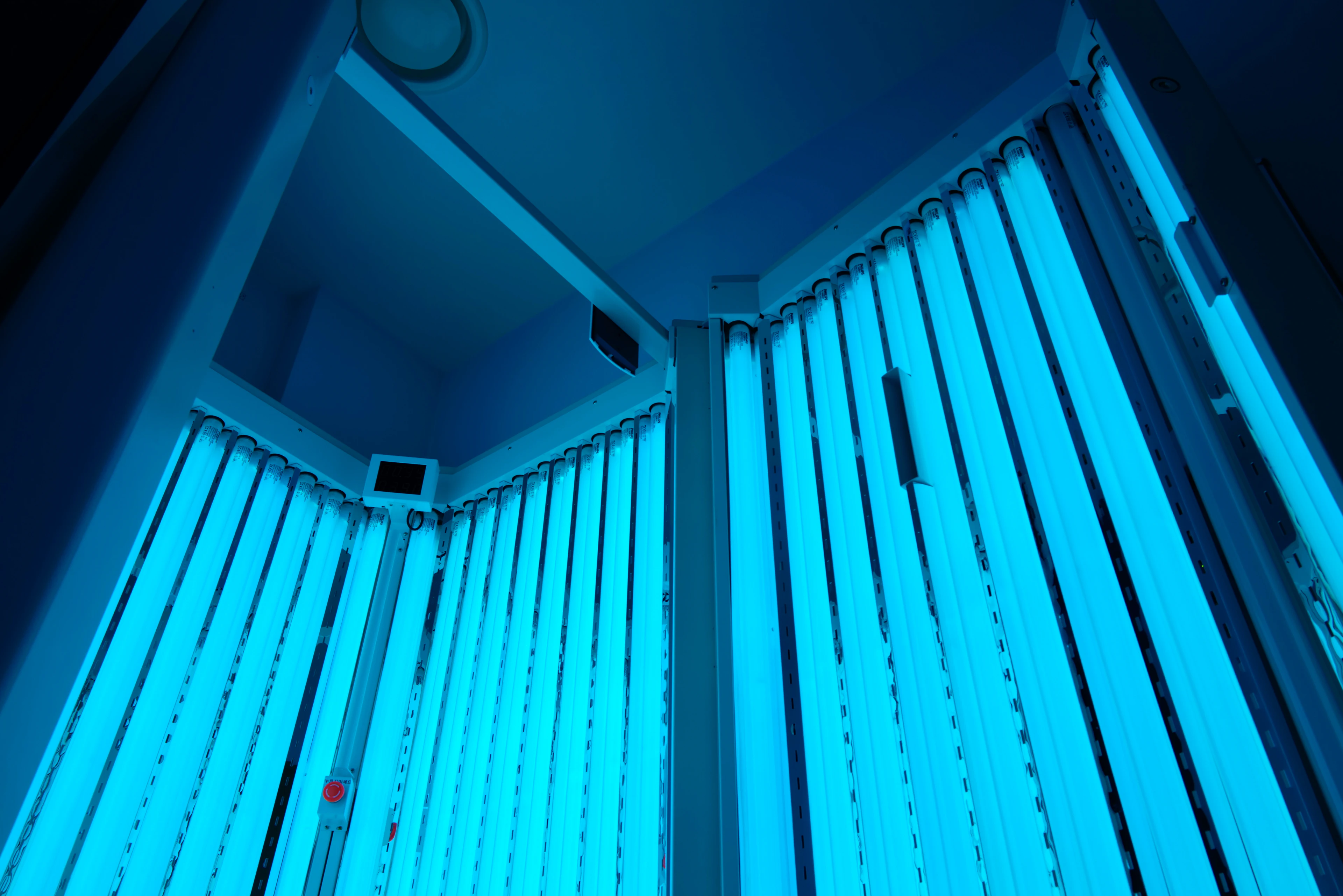
Yes, there was a noticeable improvement. When the medication was used alone, 55.0% of patients achieved at least 25% repigmentation, but when light therapy was added, this increased to 89.5%. The proportion of patients with clear repigmentation of 75% or more also increased from 18.1% to 47.5%, nearly 2.5 times higher. In other words, the proportion of patients who did not achieve clear repigmentation decreased from about 8 out of 10 to about 5 out of 10. This is likely because the two treatments help pigment cells through different pathways. Therefore, depending on the situation, I may recommend these medications alone or together with light therapy.
Closing remarks
Thanks to this study, we can now correct the misconception that "topical medications alone are useless" with evidence. For those who are concerned about using steroids, especially those who need long-term management of sensitive areas like the face, Protopic ointment and ELIDEL cream are a reliable option. Combining them with light therapy is even better. Even for those who can only use the medication alone due to circumstances, I can now confidently say, "It is worth trying."