Thoroughness that examines even unseen areas Warmth that lifts even the shadows of the heart
Long-standing research for better results
Continuous research proven by 205 papers We design precise vitiligo treatments based on in-depth data.
No two cases of vitiligo are the same
With accurate diagnosis and classification of the type, we establish a treatment plan tailored to you
Heal House in the world
Together with researchers worldwide, we are setting the standard for vitiligo treatment
We will be your last hospital
From excimer laser to vitiligo surgery, we will be with you to the end
Medication Treatment — Topical and Oral Medications for Vitiligo
Medication Treatment at Heal House
Medication Treatment for Vitiligo: Halting Spread and Restoring Pigment
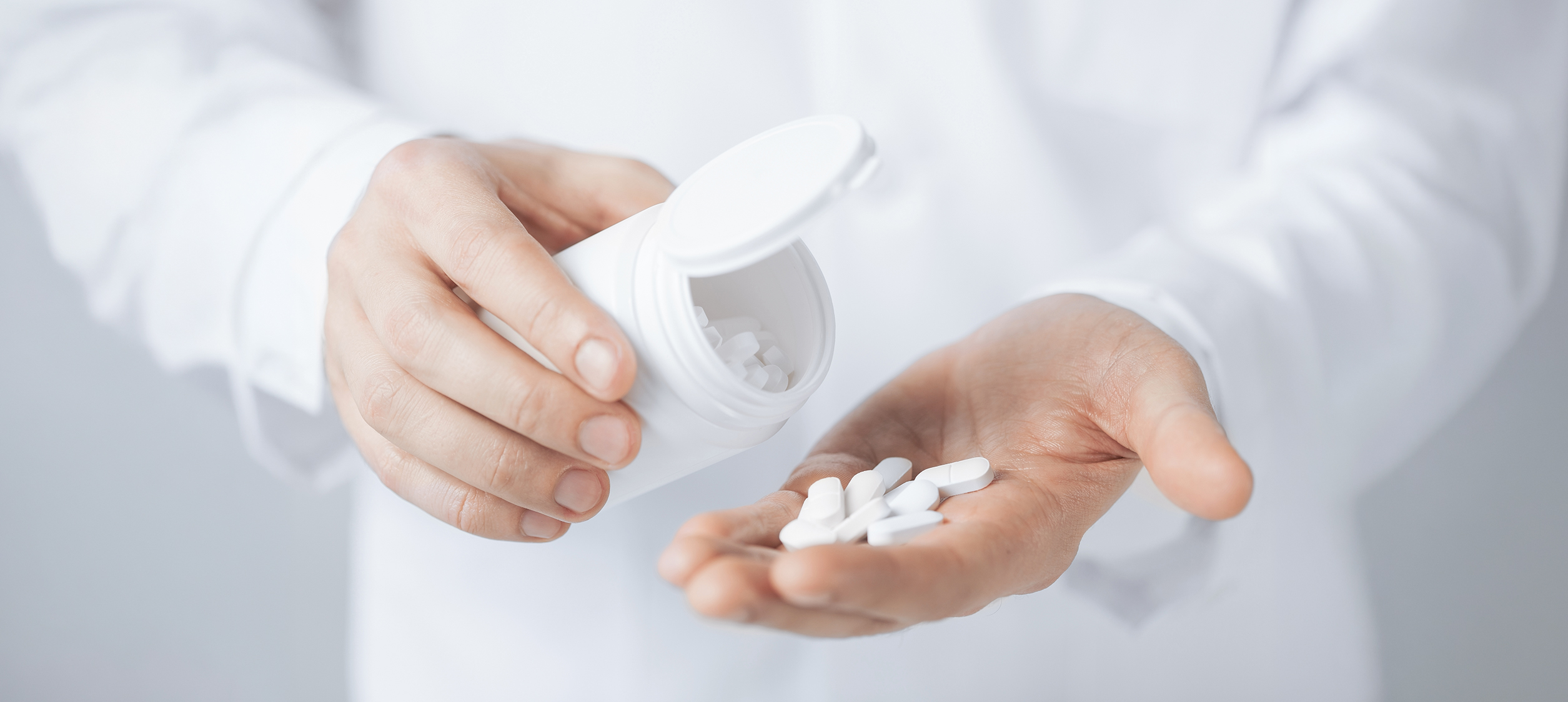
Medication treatment for vitiligo generally serves two purposes. One is to calm the immune response that attacks melanocytes, helping to prevent existing patches from spreading further. The other is to create conditions that allow pigment to return. Rather than being used alone, medications are often combined with phototherapy to complement each other. The specific combination is chosen based on the stage of the condition, the affected areas, and the patient's age.
Medication Treatment at Heal House
Topical Medications Applied Directly to Patches
Topical agents are applied directly to the lesions to modulate the immune response and help restore pigment.This treatment method is used in early-stage vitiligo or when the skin lesions are not extensive.Representative ointments include steroid ointments and calcineurin inhibitors, and the type and duration of use are determined based on the area and skin condition.
01
Topical Corticosteroids
They suppress inflammation and immune responses, helping to prevent white patches from enlarging. Potent steroids such as clobetasol or betamethasone are commonly used, and when applied precisely only to the lesion area, the risk of side effects is not high. However, long-term use can thin the skin, so they are typically used for about 2 to 4 months, and are often combined with ultraviolet phototherapy rather than used alone.
02
Topical Calcineurin Inhibitors
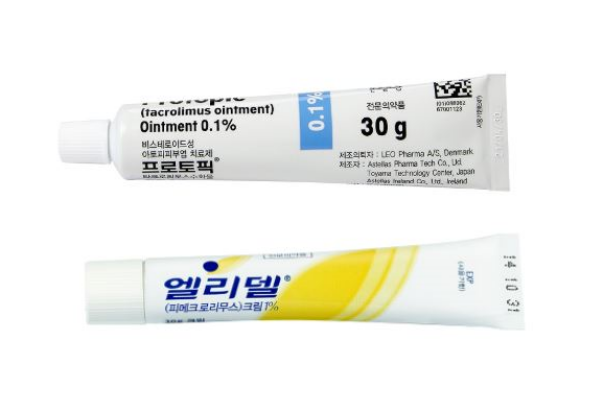
These are non-steroidal topical agents that modulate the immune response; Protopic and ELIDEL belong to this category. They suppress T-cell activity in the lesions, reducing inflammation and creating conditions for pigment to return. Unlike steroids, they do not thin the skin, so they can be used for longer periods on sensitive areas such as the face and neck, and may also be applied for maintenance after improvement. In the first 2 to 3 weeks, stinging or flaking may occur, but this usually subsides.
Medication Treatment at Heal House
Short-Term Oral Medications for Active Disease
During the active phase when lesions are spreading rapidly, short-term oral medications may be considered to slow progression.
01
Oral Corticosteroid Therapy
This treatment suppresses the immune system to halt the progression of vitiligo and is effective for patients with rapidly progressing vitiligo. A mini-pulse regimen of prednisolone or dexamethasone taken only 1 to 2 times per week minimizes side effects, and it is combined with phototherapy or topical treatment to aid repigmentation. Side effects such as weight gain, increased blood pressure, blood sugar control issues, and osteoporosis may occur, so consultation with a specialist and regular check-ups are necessary.
02
Oral Immunosuppressant Therapy
This is used when steroids cannot be used or when other treatments are not effective. Representative medications include cyclosporine, which shows rapid effects, and methotrexate, taken in small doses once a week to help suppress long-term progression. Side effects such as decreased kidney or liver function may occur, so regular blood tests for monitoring are essential.
Medication Treatment at Heal House
In Combination with Phototherapy
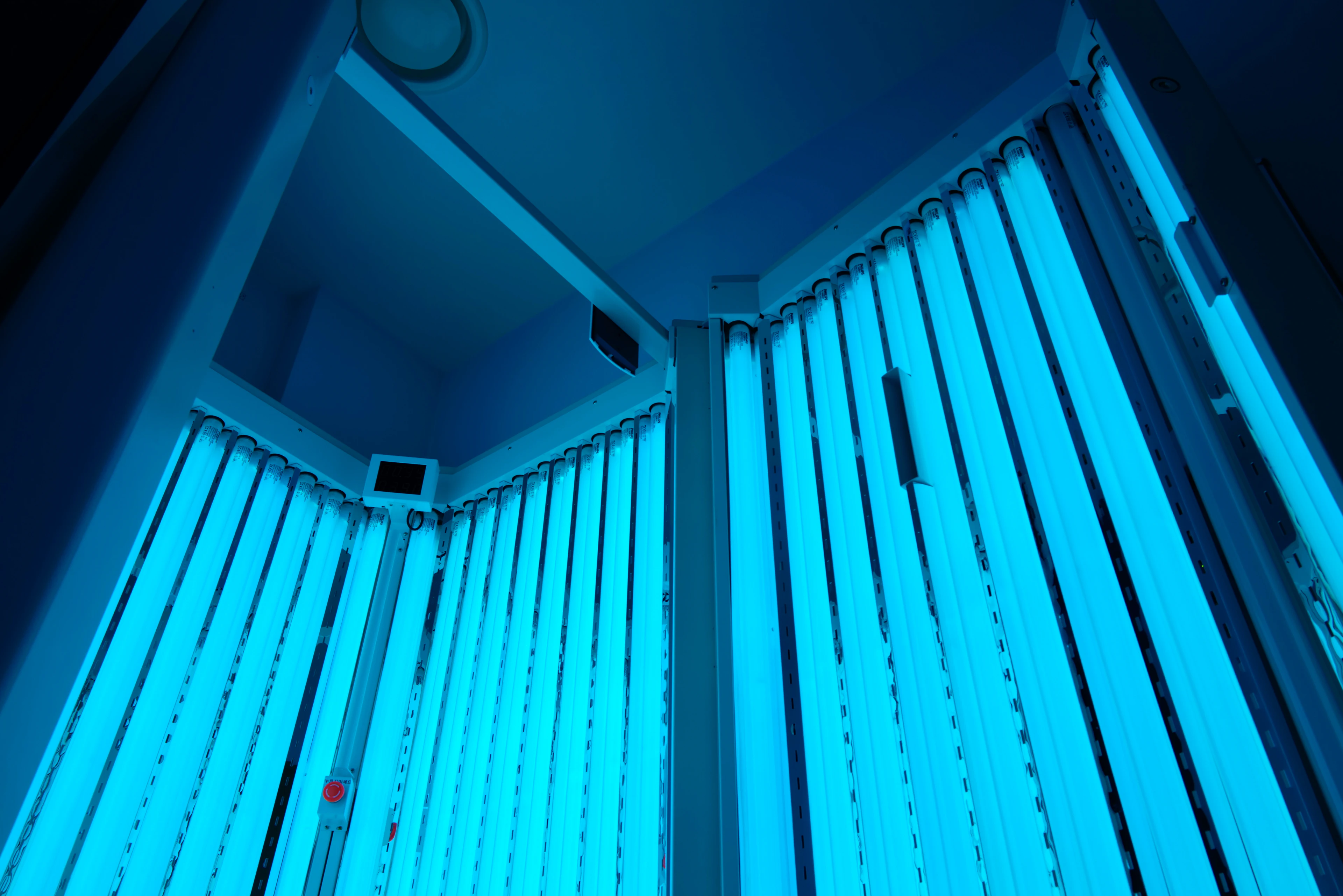
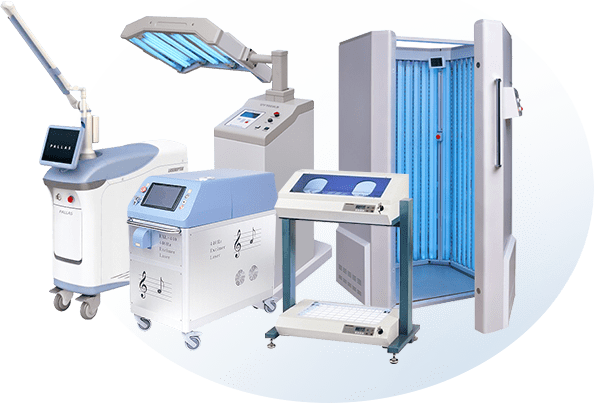
Medication treatment is often carried out alongside the phototherapy at the Excimer Clinic. Which medication, how much, and which combination of treatments to use depends on the extent of progression, the affected area, and the patient's age, so this is determined together during a consultation.
Medication Treatment at Heal House
Treatment Precautions
The response to and speed of medication vary by area and individual, and consistent use is generally required.
The type and duration of use of topical medications differ depending on the area and skin condition.
Oral medications are often used for short periods during the active phase, and whether to take them is decided based on the condition.
If you are a child or pregnant, please inform us during your consultation so that we can plan accordingly.
Heal House Vitiligo Clinic
Frequently Asked Questions in the Clinic
Rinvoq (upadacitinib) is a once-daily oral JAK inhibitor that was approved in Korea in October 2026 for the treatment of non-segmental vitiligo in patients aged 12 years and older. In clinical trials, nearly half of patients (43–48%) who took it for 48 weeks experienced a 50% or greater reduction in facial vitiligo size, and about one in four (23–25%) experienced a 75% or greater reduction. These results were from taking Rinvoq alone; a small study that combined it with phototherapy showed greater improvement. Learn more
In the active phase when vitiligo is spreading rapidly, treatment with oral steroids to first suppress disease progression may be considered. Once the lesions stabilize, excimer laser or ultraviolet therapy can be combined to induce repigmentation. Learn more
Protopic ointment and ELIDEL cream, originally developed for atopic dermatitis, are also used as treatments to help restore pigment in vitiligo. In particular, for the face and neck areas, they are covered by national health insurance. Learn more
OPZELURA is a topical JAK inhibitor containing ruxolitinib 1.5%, used for the treatment of nonsegmental vitiligo in patients aged 12 years and older. In a large phase 3 clinical trial, approximately 30% of patients after 24 weeks and about half of patients after 52 weeks achieved a 75% or greater improvement in their facial vitiligo score. Learn more
"Aside from applying creams and light therapy, aren't there pills I can take?" This is a question we often hear. To give you the conclusion first: oral medications are also used for vitiligo. However, their role is somewhat different. Oral medications are closer to treatments that "stop" the spread rather than ones that fill in the color. Today, we look at when oral medications are needed and what they are for. Learn More
"Can I get better just by applying the ointment well?" Many people have this question. Topical medications also have a clear role. In fact, they are one of the basic pillars of vitiligo treatment. However, they are not a cure-all. Today, we honestly discuss where ointment therapy is helpful and what its limitations are. Learn More
Once we confirm your location, we'll show the nearest branch and its doctor's articles and equipment first. This is used only for verification and is not stored.