


Genetic Predisposition
More than 40 genes have been reported to be associated with vitiligo, but the concordance rate in identical twins is low, so genetics alone does not explain it.

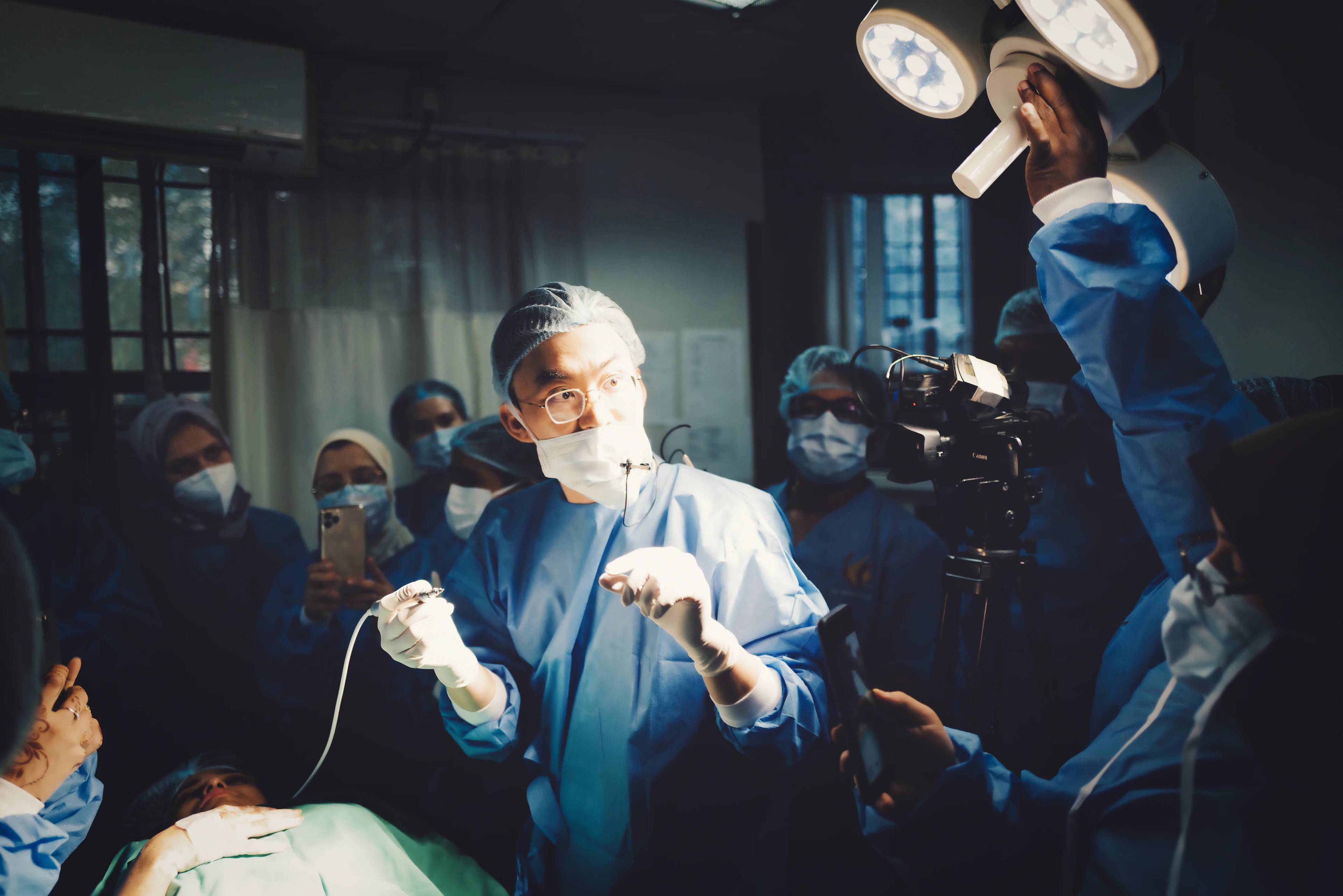
Heal House Vitiligo Clinic
15 years dedicated solely to vitiligo
Thoroughness that examines even unseen areas
Warmth that lifts even the shadows of the heart
Heal House What is Vitiligo?
Vitiligo is a hypopigmentary condition in which melanocytes in the skin are lost, resulting in white patches. It affects about 1% of the population worldwide. There are usually no subjective symptoms such as itching, but the visible patches can affect interpersonal relationships and quality of life. The darker the skin color, the more noticeable the patches may appear.

Heal House What is Vitiligo?
Vitiligo can appear anywhere on the skin, but it is commonly first noticed on the face, neck, hands, and arms, andit also frequently develops on areas where clothing rubs or there is frequent impact, such as the hairline, collarbone, waistline, armpits, navel, elbows, and knees.When gray hair appears at an early age, or the hair of the eyebrows, eyelashes, or other areas turns white, vitiligo can also be considered.Usually, there is no pain or itching, so it is difficult to notice until it becomes visible.
Heal House What is Vitiligo?

The borders are very distinct, and the pigment is completely lost, turning white.
Under Wood's lamp examination, it appears as bright fluorescent white.
The hair in the affected area is also white.
It usually occurs symmetrically on both sides of the skin.
New patches may appear on areas of injury or friction.
Heal House What is Vitiligo?
It is not explained by a single cause.
It is understood that multiple factors work together.
More than 40 genes have been reported to be associated with vitiligo, but the concordance rate in identical twins is low, so genetics alone does not explain it.
It is considered a representative autoimmune skin disease in which the immune system mistakenly attacks melanocytes, leading to pigment loss.
If melanocytes cannot adequately remove reactive oxygen species, accumulated oxidative stress can cause the cells to be easily lost.
There is a hypothesis (the melanocyte loss hypothesis) that because melanocytes have weak adhesion, lesions are more likely to occur in areas of repeated friction or pressure.
Representative chemical substances such as hair dye, rubber, and plastic products, as well as physical trauma such as wounds, friction, and scars after surgery, as well as strong ultraviolet exposure, can induce damage to melanocytes and promote the development and worsening of vitiligo.
Melanocytes in vitiligo patients may be inherently more vulnerable both structurally and functionally than those of people without vitiligo. Therefore, they can be easily damaged or die off even with mild external stimuli or stress. In fact, signs of aging and functional impairments in intracellular structures are commonly observed in the melanocytes of vitiligo patients.
Heal House What is Vitiligo?
Vitiligo is divided into six types based on distribution pattern. The progression and treatment response vary by type.
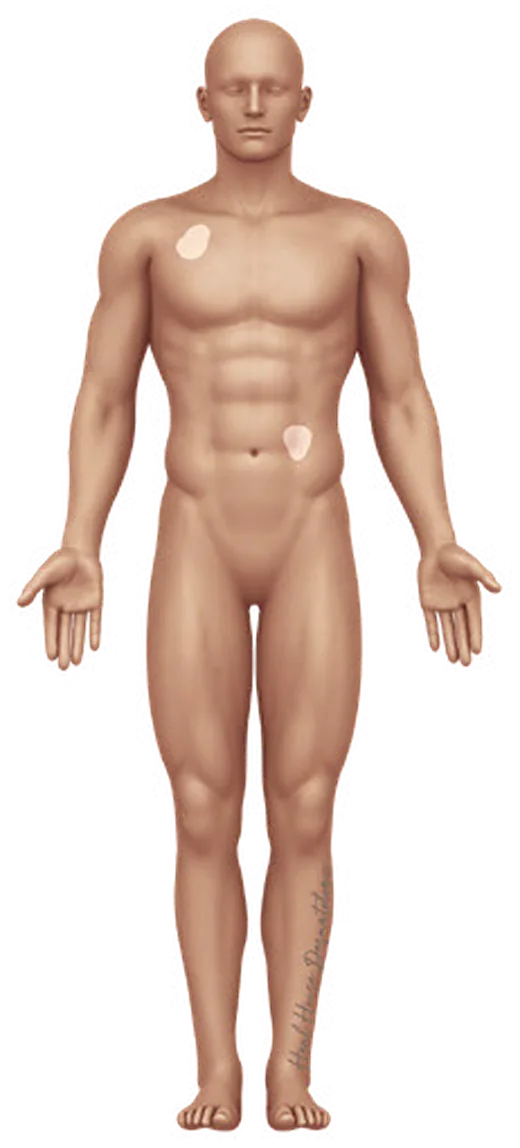
Localized
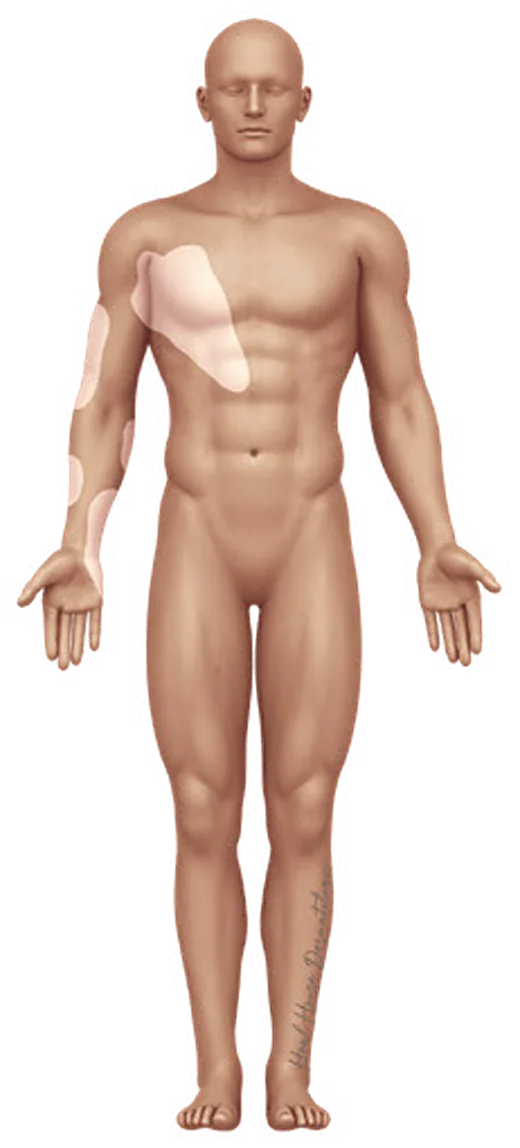
Segmental
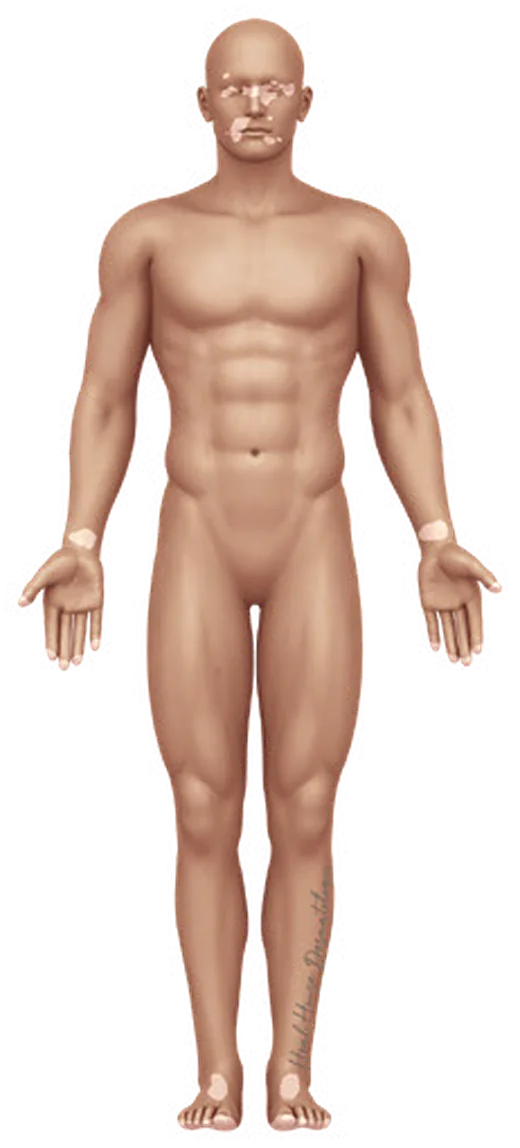
Acrofacial
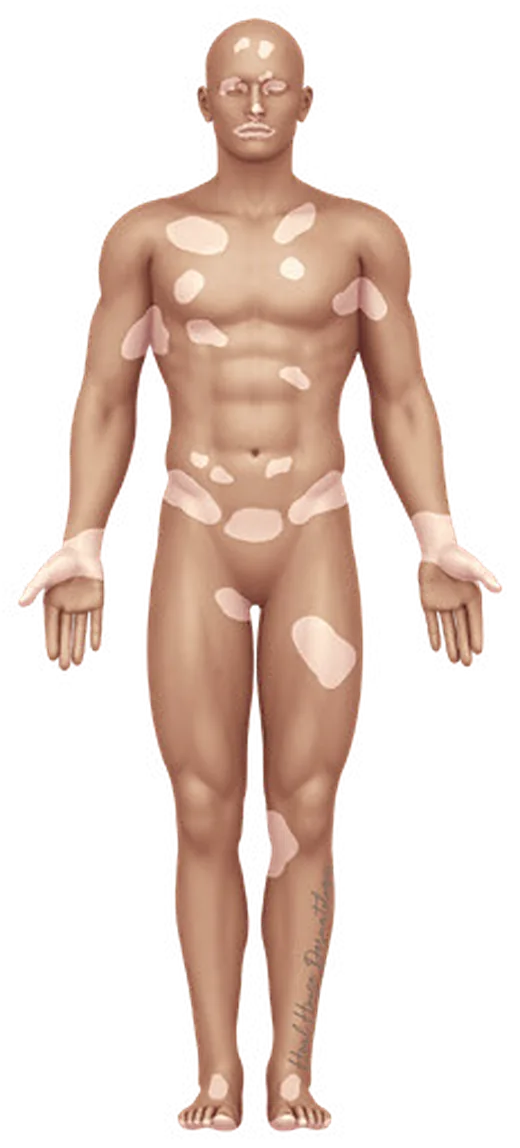
Generalized
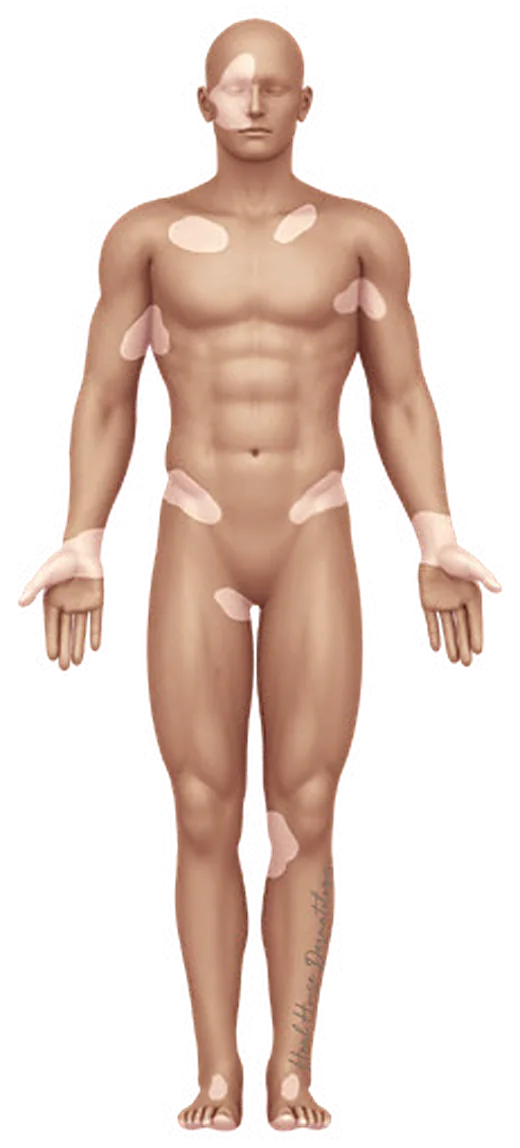
Mixed type
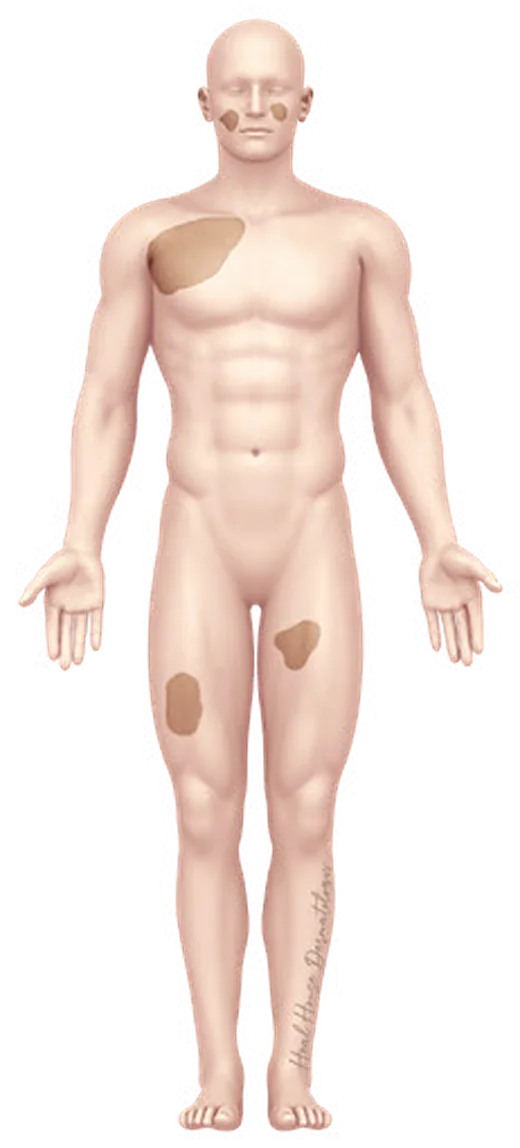
Universal
Heal House What is Vitiligo?
Even for the same facial vitiligo, management methods differ depending on where it starts and how it spreads.
Facial vitiligo varies by type in terms of onset factors, timing, response to phototherapy, and disease course.
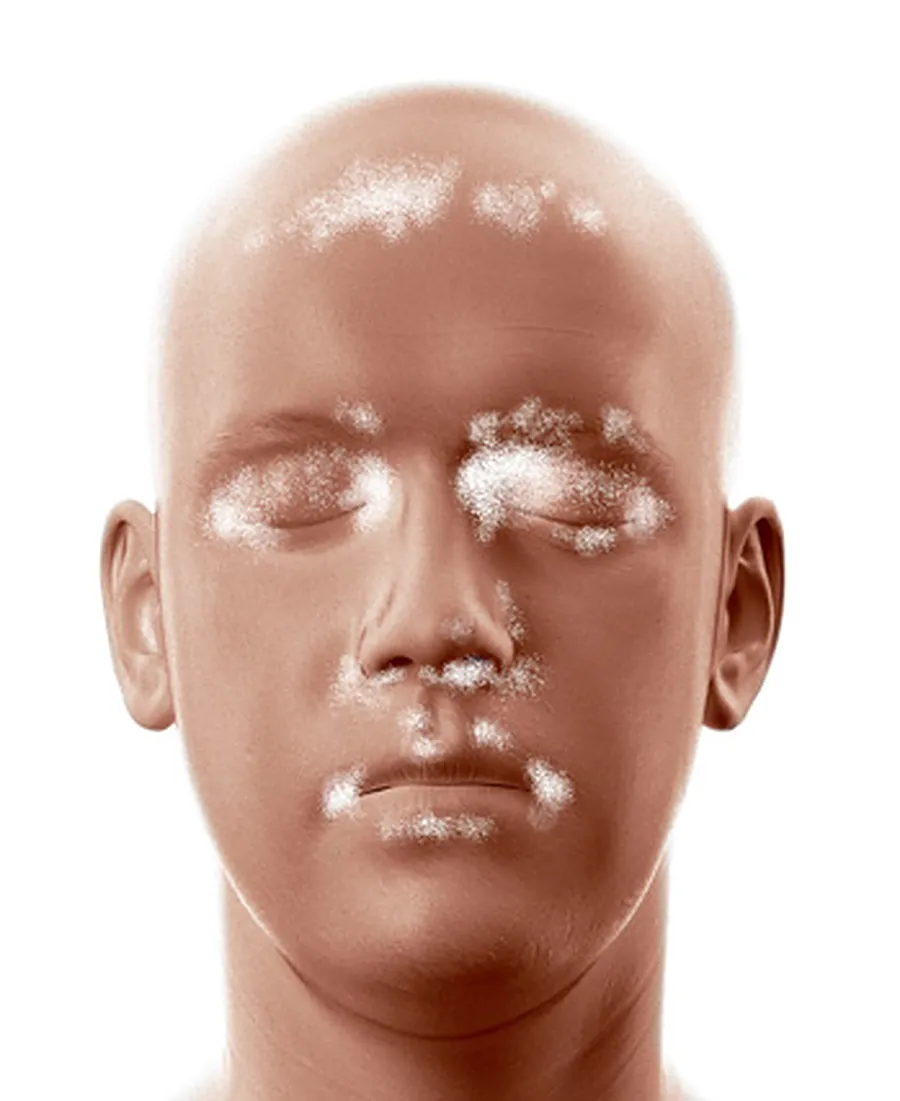
Centrofacial
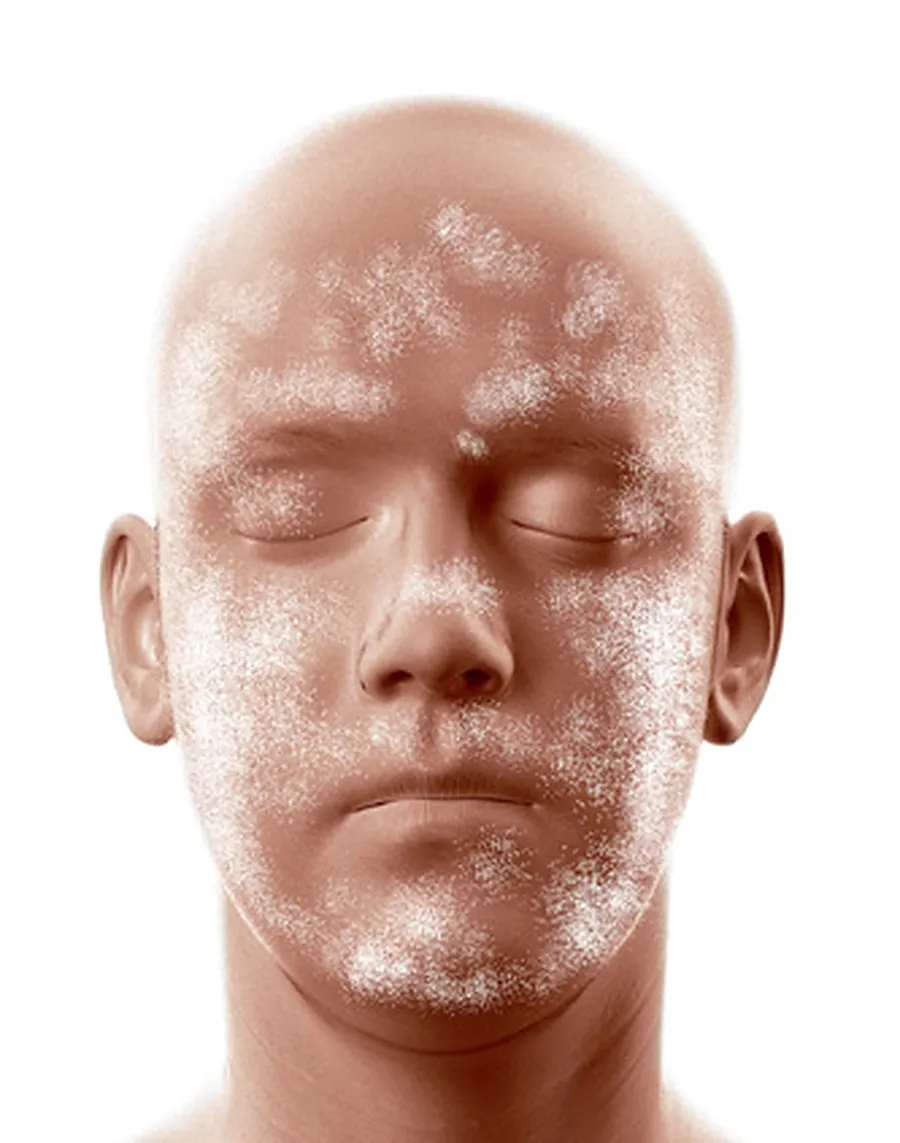
Whole Face
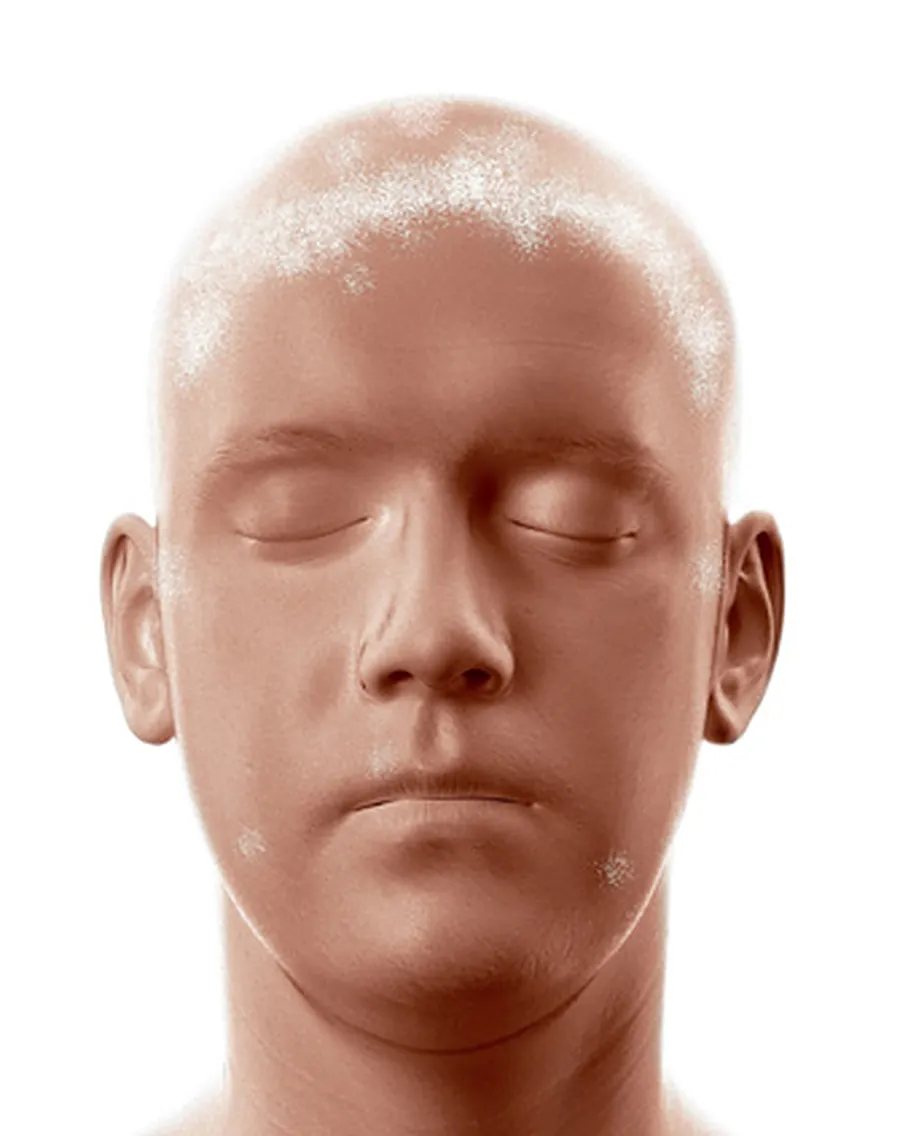
Frontal line-limited
Heal House What is Vitiligo?
Stop the spread, restore color, and prevent it from spreading again.
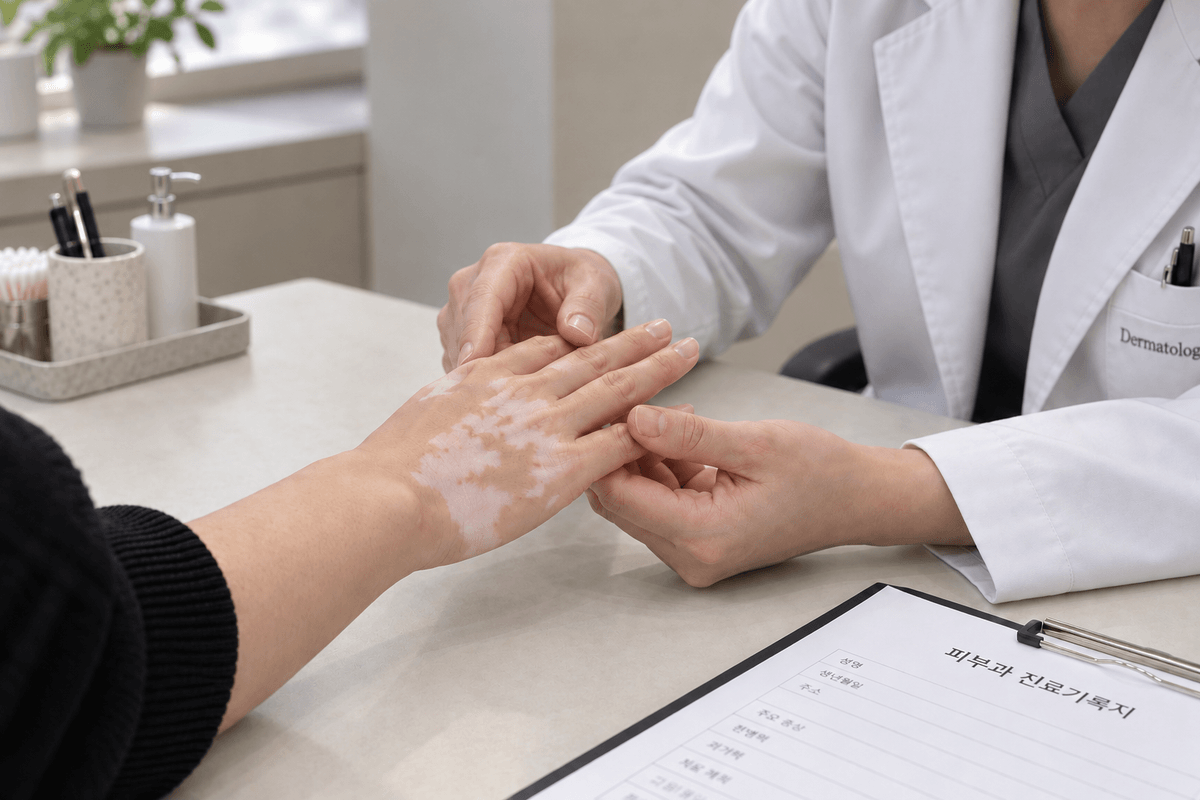
Keep vitiligo fromspreading any further.
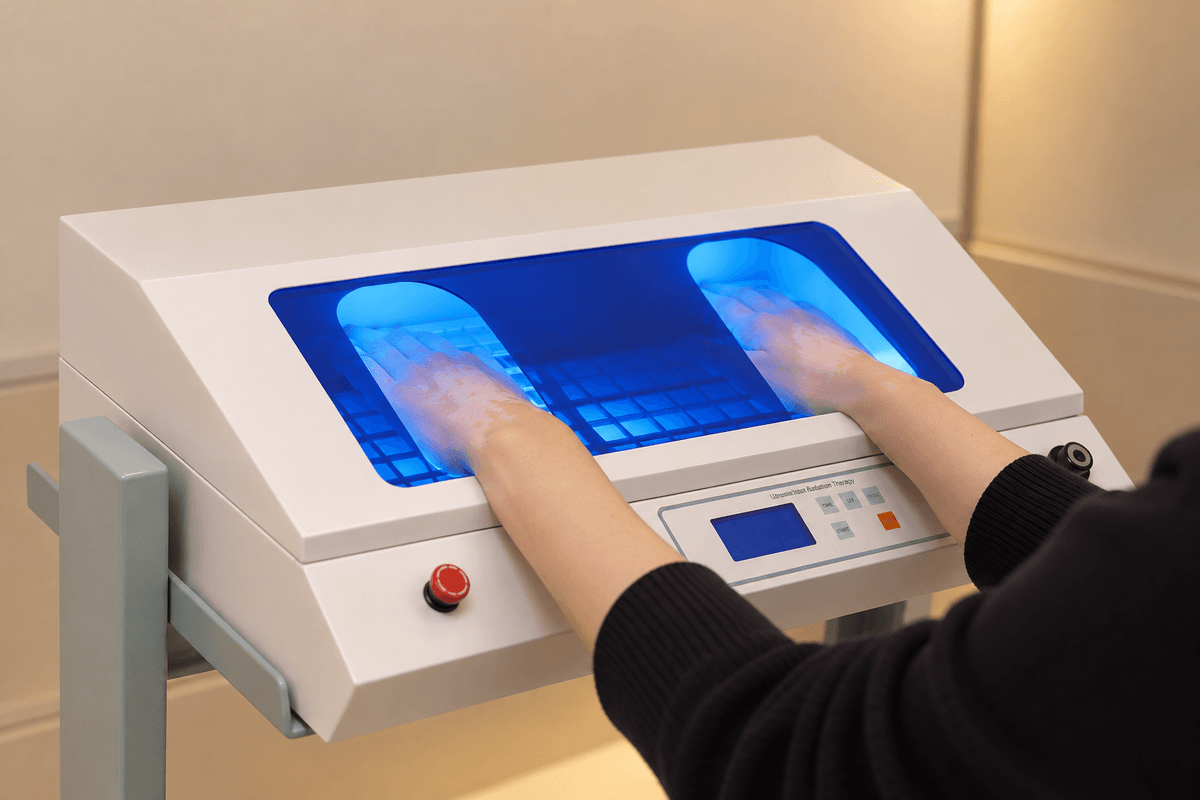
Help the white skinregain its original color.
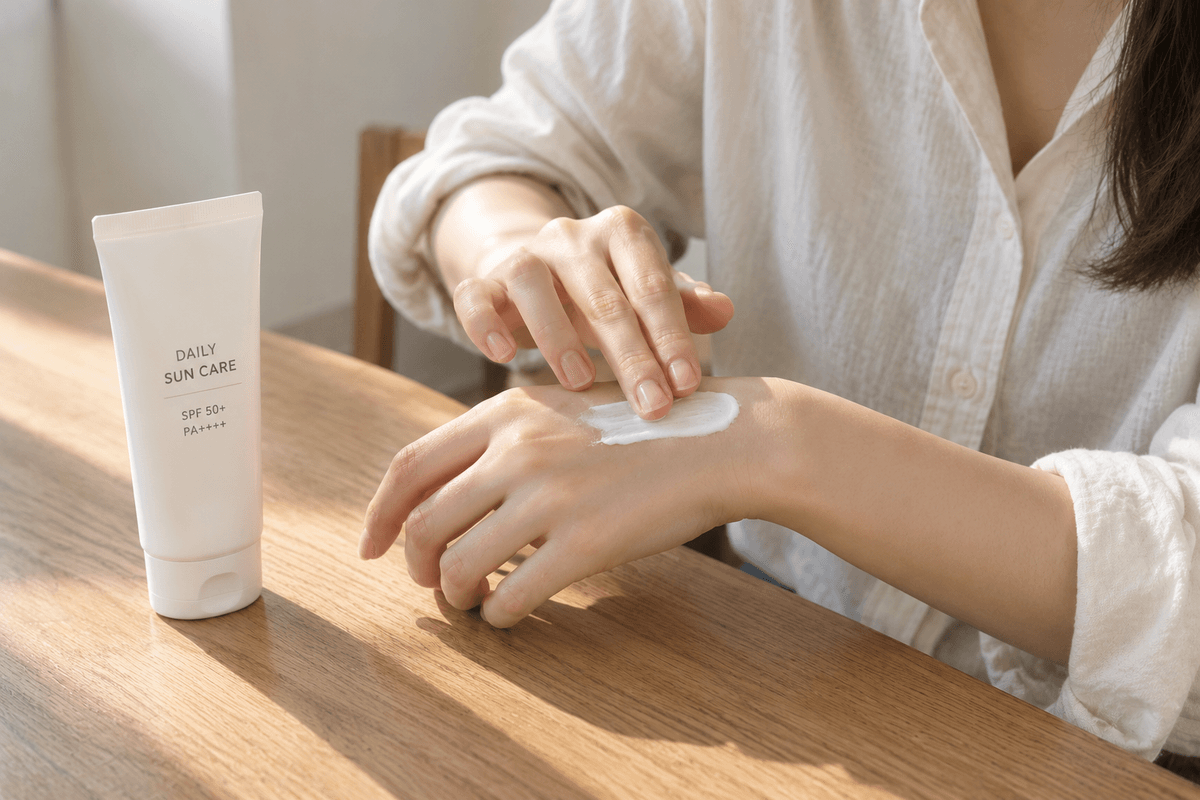
After improvement, we manage it to preventit from spreading again.
Heal House What is Vitiligo?
Treatment may not be easy, but it is not impossible. There are stepwise treatment options, including phototherapy, excimer laser, medications, and pigment cell transplantation surgery during the stable phase. Starting earlier makes it easier to monitor the course.
There is a genetic predisposition, but it does not develop from genetics alone—environmental factors also play a role. Even if there is a family history, it does not appear in most descendants, so there is no need to worry excessively if a family member has it.
Vitiligo is not an infectious disease and cannot be transmitted through everyday contact such as touching, sharing meals, or swimming. There are no medical restrictions in daily life or interpersonal relationships.
Vitiligo is an autoimmune skin disease caused by the immune system attacking pigment cells. Autoimmune diseases such as thyroid disorders and alopecia areata can occur together, so an accurate diagnosis is necessary. Moreover, because the visible spots can affect interpersonal relationships and quality of life, it should be treated as a disease.
The course varies from person to person. It may remain small in one or two spots, or it may spread gradually. Therefore, it is important to determine the type and whether it is progressing, and to respond with timely treatment.
There are no specific foods that must be avoided. A balanced diet is fundamental, and fruits and vegetables rich in antioxidants may be helpful. Rather than relying on unverified dietary regimens, it is better to combine treatment with lifestyle management.
Heal House What is Vitiligo?
Not all white spots on the skin are vitiligo.Many conditions look similar, such as pityriasis alba, nevus depigmentosus, idiopathic guttate hypomelanosis, tinea versicolor,and post-inflammatory hypopigmentation.Accurately differentiating these hypopigmented conditions is the starting point of treatment.
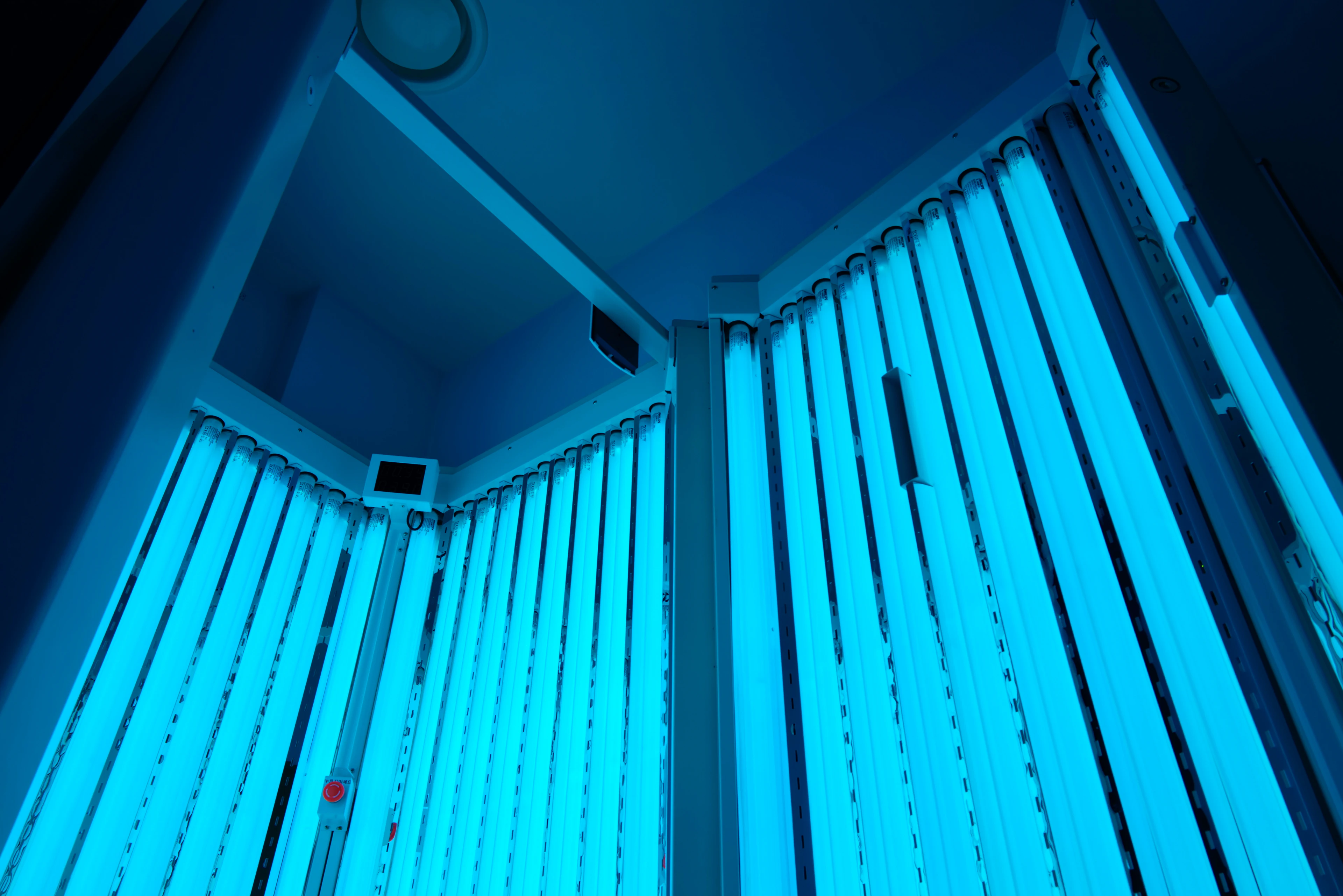
A 365 nm ultraviolet light is used to clearly reveal vitiligo patches as bright white.
By filtering out surface glare from the skin, the natural color is observed, and changes in pigment and blood vessels are distinguished.
Combining a Wood's lamp with a special camera, even early lesions that are not yet clearly visible are detected.
Subtle changes beneath the epidermis are examined, and white hairs within the lesion are observed to predict treatment response.
Repeated photographs are taken at the same angle and lighting to accurately document changes over time.
Vitiligo can be associated with autoimmune diseases such as thyroid disorders, so blood tests are used to check for them.
Heal House What is Vitiligo?
KakaoTalk — Select Branch
Would you like to see the nearest branch first?
Once we confirm your location, we'll show the nearest branch and its doctor's articles and equipment first. This is used only for verification and is not stored.


