


Heal House Vitiligo Research 47 · Letter
Does long-term phototherapy for vitiligo also benefit bone health?
Decreased risk of major osteoporotic fracture after long-term narrowband ultraviolet B light phototherapy in patients with vitiligo: An 11-year nationwide propensity score-matched study.
In short
In vitiligo patients who received long-term narrowband UVB phototherapy, major fractures due to osteoporosis were less common. This suggests that phototherapy may have helped bones by producing vitamin D.
When people think of ultraviolet light, they often first think of it as harmful to the skin. However, while observing patients who had received phototherapy for a long time, a different question came to mind. If this light helps the body produce vitamin D, could it actually benefit bone health? So in this study, which I led as the corresponding author, we examined the fracture risk of vitiligo patients who had received long-term phototherapy using nationwide data over 11 years.
Q1 How does phototherapy affect bone health?
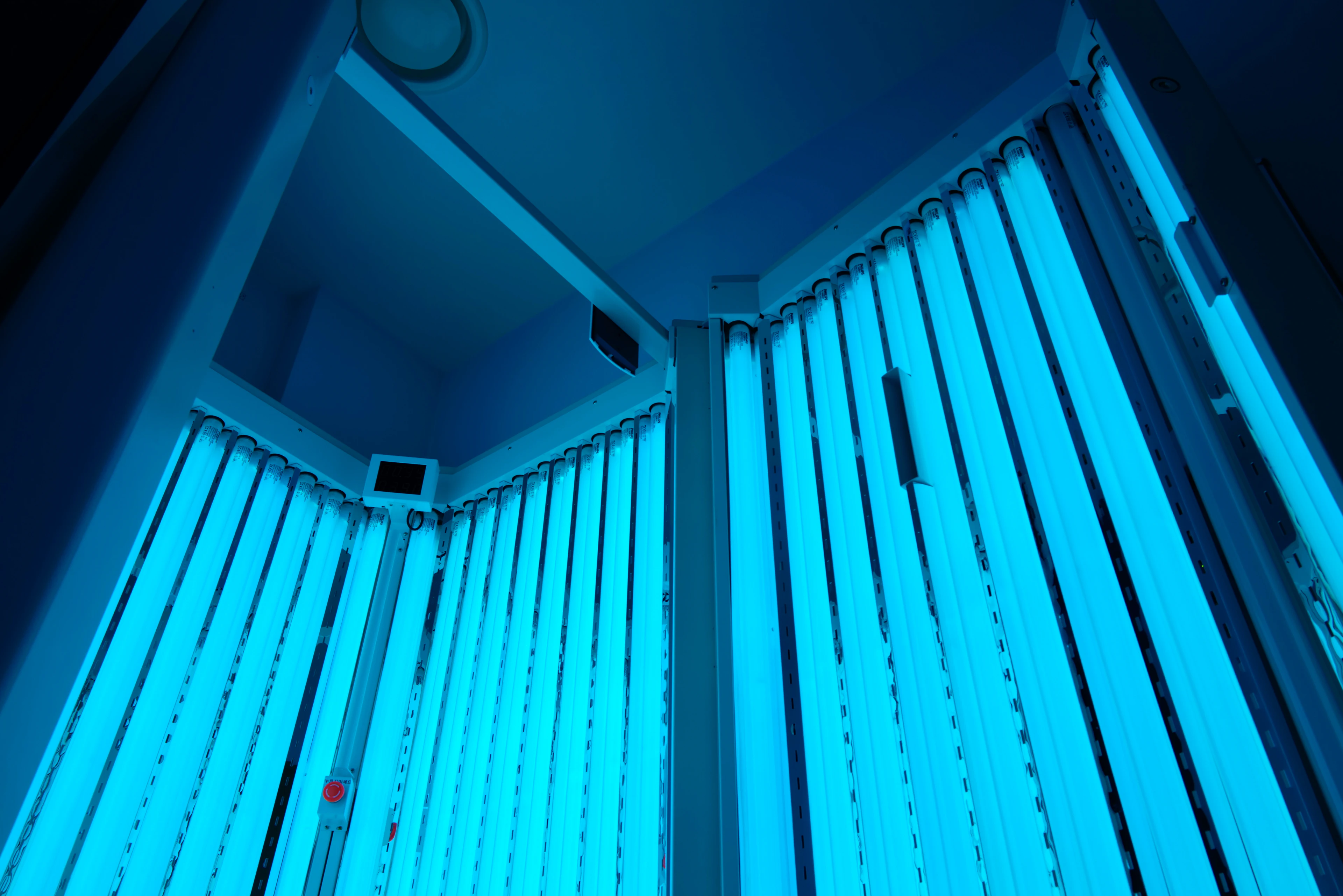
The key is that ultraviolet light helps the body produce vitamin D. Narrowband UVB phototherapy, widely used for vitiligo, is a treatment that exposes the skin to a specific wavelength of light. In this process, more vitamin D, which strengthens bones, may be produced. Vitamin D helps absorb calcium and maintains bone density. We used nationwide data over 11 years and matched people with similar conditions to make a fair comparison. As a result, we observed a tendency for fewer major osteoporotic fractures in vitiligo patients who had received long-term phototherapy. This means that phototherapy, given to treat white patches, may unexpectedly provide an additional benefit for bone health.
Closing remarks
Contrary to the vague impression that "ultraviolet light is harmful," this study shows that phototherapy administered in a controlled manner may actually have advantages for bones. Of course, this is a tendency observed in an observational study, so you should not undergo phototherapy solely to strengthen your bones. However, we hope this helps you continue necessary treatment without excessive fear. It was an interesting work for me as well, to see how one treatment connects beyond the skin to the whole body.