



Heal House Vitiligo Research 50 · Original Article
How can we prevent darkening of the surrounding skin during vitiligo treatment?
Efficacy and safety of tretinoin 0.05% cream to prevent hyperpigmentation during narrowband UV-B phototherapy in patients with facial vitiligo: a randomized clinical trial.
In short
When tretinoin cream was applied together with phototherapy, darkening of normal skin around the lesions rarely occurred. The degree of improvement in vitiligo itself remained the same.
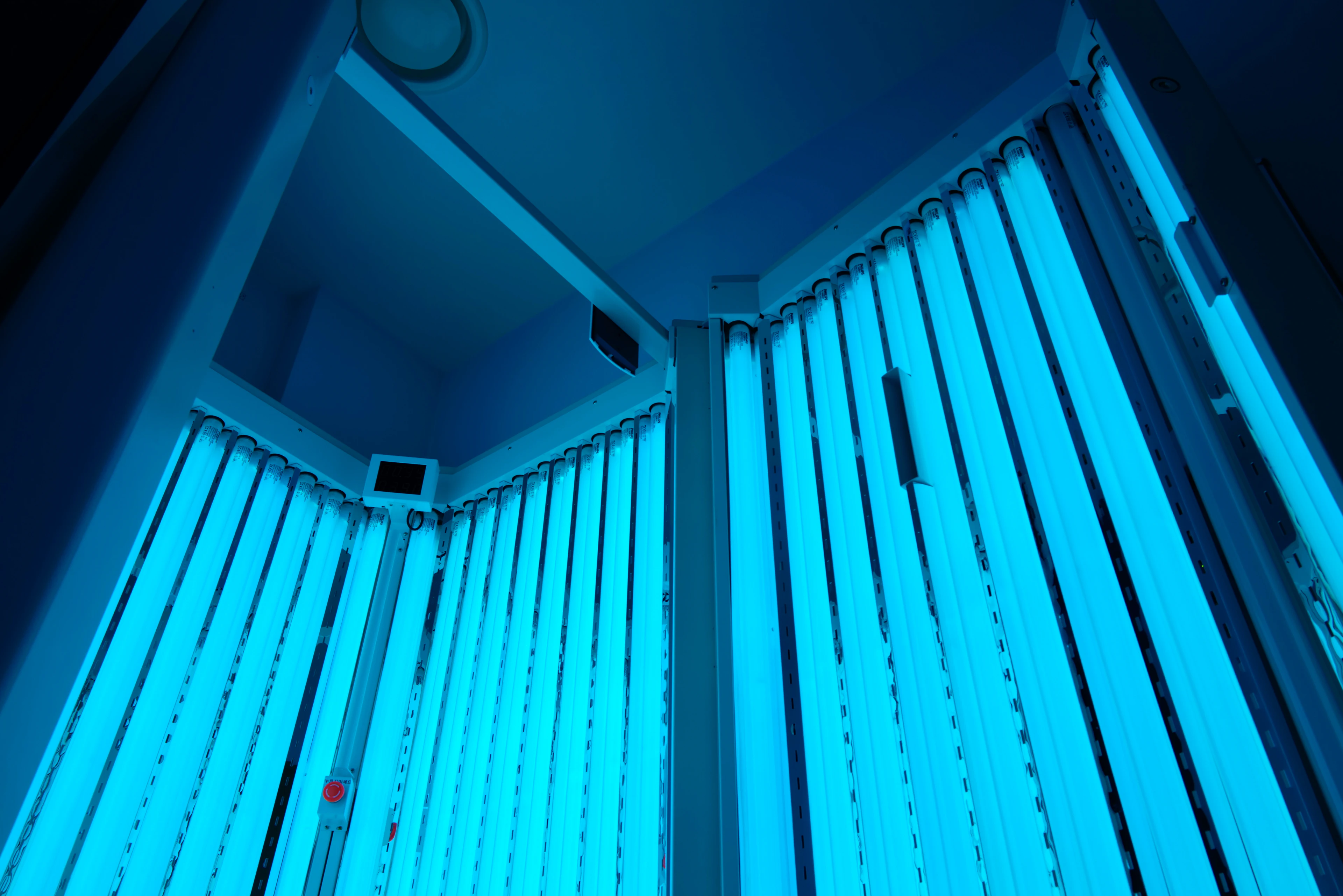
Narrowband ultraviolet B phototherapy, widely used for vitiligo, comes with an unexpected concern. When exposing the entire face to light to restore color to white patches, the normal skin around the lesions may also darken. The white patches remain, but the surrounding area becomes darker, making the contrast more noticeable. Many patients were distressed, saying, "After treatment, it looks even more obvious." So we tested whether applying tretinoin cream, which is used to regulate pigmentation, could prevent the surrounding skin from darkening.
Q1 How was the effect fairly evaluated?
On each patient's face, the left and right sides were separated. One side was treated with tretinoin 0.05% cream twice daily, and the other side with a moisturizer twice daily. The entire face received narrowband UVB phototherapy twice weekly for 12 weeks. Comparing the left and right sides of the same person's face automatically controls for factors such as age and skin characteristics. This allows a clean comparison of the pure effect of the cream. Which side received which cream was determined randomly to prevent bias in the results. A total of 25 adult patients with stable facial vitiligo participated, and 21 completed the study.
Q2 What Were the Results?
The side treated with tretinoin showed little darkening of the surrounding skin. After 12 weeks, the degree of skin darkening was measured: the tretinoin side showed only -0.5%. The moisturizer-only side darkened noticeably at -8.7%. This means the darkening was roughly 17 times greater on the moisturizer side. More encouraging was that the improvement in vitiligo itself, which is the main goal, was well maintained on both sides. In effect, the tretinoin cream appears to have reduced only the unwanted pigmentation while leaving the treatment effect intact.
Results of comparing left and right sides of the same face over 12 weeks
| Item | Tretinoin cream | Moisturizer (control) |
|---|---|---|
| Degree of skin darkening (change in brightness) | -0.5% | -8.7% |
| Darkening of surrounding normal skin | Almost none | Clearly darker |
| Vitiligo improvement (repigmentation) | Well maintained | Well maintained |
Closing remarks
As a result, we have established a practical method that preserves the effectiveness of phototherapy while reducing the burden of darkening around the lesions. Especially for areas that are highly visible to others, such as the face, this careful consideration helps patients continue treatment. Just as important as achieving good results is helping patients feel less distressed during the healing process.