


Heal House Vitiligo Research 77 · Original Article
Can the world judge how severe vitiligo is and whether it has relapsed using the same criteria?
Definition of Severity and Relapse for Vitiligo: An International Consensus Statement
In short
Experts and patients from around the world came together to agree for the first time on common criteria for judging how severe vitiligo is and whether it is a recurrence. It considers not only the visible area but also the emotional burden.
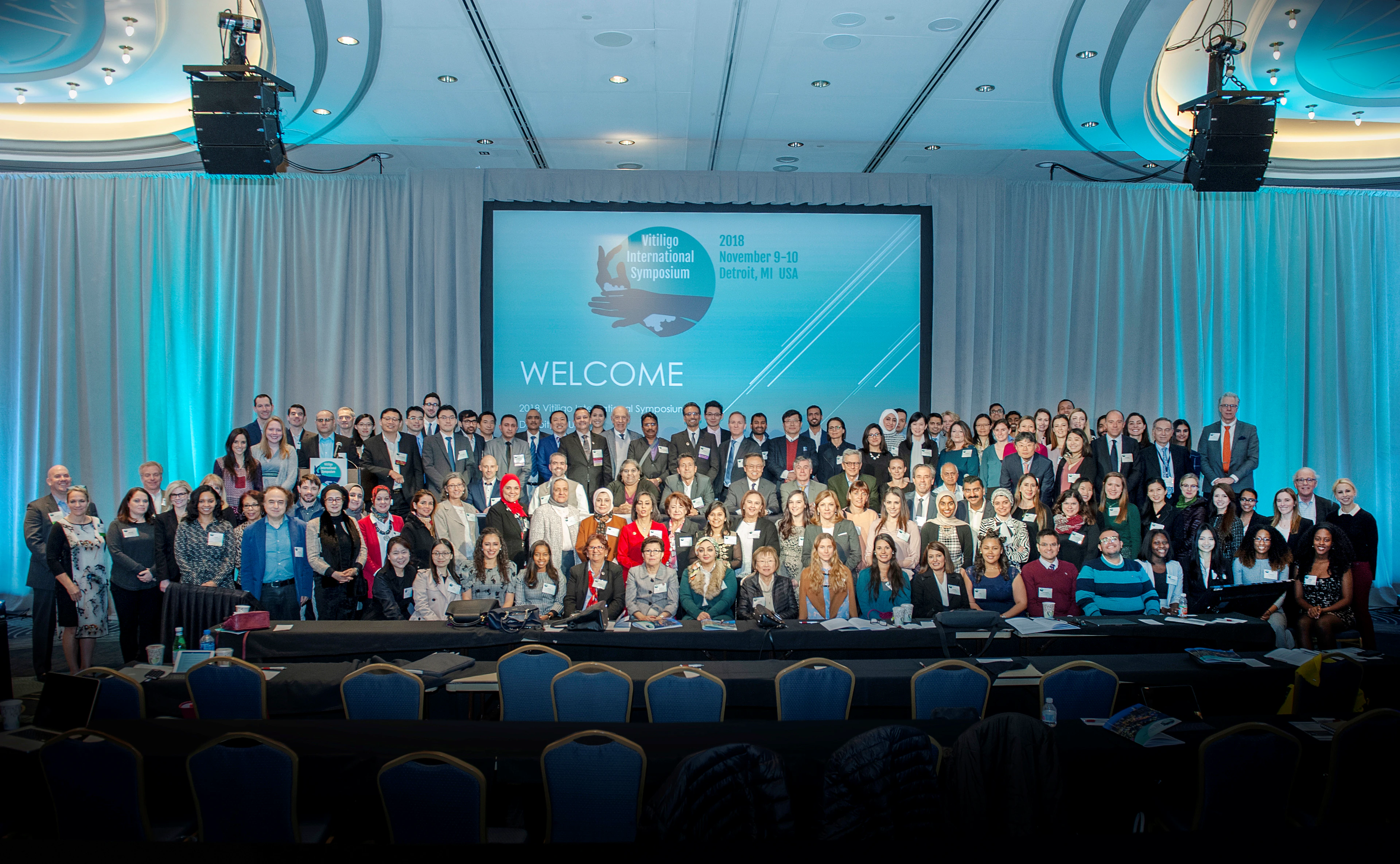
Vitiligo is a disease that affects people worldwide, across countries and cultures. However, the criteria for judging "how severe it is" or "whether this is a relapse" varied by country and by doctor. This often led to miscommunication. Therefore, experts and vitiligo patients from five continents came together. Through multiple rounds of surveys and meetings, they created a common definition. I participated in this international consensus study as a co-investigator.
Q1 How was the international consensus reached?
Experts from multiple countries and people with vitiligo took part together. The team conducted a literature review and interviews, and circulated the same questionnaire twice to narrow down opinions (the Delphi method). Finally, they gathered in one place for a consensus meeting. Of the 91 people who initially expressed interest, 85 responded to the first survey and 81 to the second, with more than nine out of ten people answering both times. In the final meeting, 44 people gathered to refine the criteria. Participants spanned five continents. They included not only dermatologists but also nurses, psychologists, researchers, and people with vitiligo of various skin colors. Because so many voices were collected, we were able to develop a balanced set of criteria.
Q2 What criteria were agreed upon?
The percentage of the body covered by white patches is still needed as a starting point. However, it was agreed that this alone cannot capture the full burden of vitiligo. Therefore, 12 criteria were established that should be considered as indicating greater severity. These include not only visible aspects but also the impact on mental health and social life. The main criteria were: whether the disease is spreading, whether it occurs in visible or functionally important areas, psychological distress, stigma from others, difficulty accepting oneself, and overall burden. Relapse was defined as "repigmentation that is lost again in areas where color had previously returned." This is summarized in the table below.
Criteria indicating greater severity (12 total)
| Category | Included criteria |
|---|---|
| Main criteria | Disease spreading, occurring in visible or functionally important areas, psychological distress, stigma from others, difficulty accepting oneself, overall burden |
| Supplementary criteria | Darker skin color, young age, whitening of scalp or facial hair, increased risk of sunburn, impact on school or work, feeling of loss of identity |
Q3 Why does this consensus matter?
Until now, the "severity" perceived by doctors and patients for the same vitiligo often differed, leading to miscommunication. This consensus builds a bridge between the physician's assessment and the patient's actual experience. A major change is that severity now includes not only the area of white patches but also psychological distress and stigma from others. With this common language, vitiligo can be managed more consistently in clinical care, research, and drug approval. Most significantly, it brings the emotional weight experienced by patients into the "official criteria."
Closing remarks
Vitiligo is not simply a skin color issue. It is a disease that affects a person's self-esteem and daily life. For me, the most welcome aspect of this international consensus is that it has anchored this fact in a globally shared standard. Going forward, the confusion over "how severe is severe" and "is this a relapse"—which previously yielded different answers depending on the country and doctor—will be reduced.