



Heal House Vitiligo Research 62 · Original article
World vitiligo experts gathered to create treatment guidelines — Diagnosis and management
Worldwide expert recommendations for the diagnosis and management of vitiligo: Position statement from the International Vitiligo Task Force Part 1: towards a new management algorithm
Final review
In short
This belongs to the same international consensus guideline as study no. 61. This part covers 'diagnosis and management.' It sets standards from the naming of the disease to the major steps of diagnosis, evaluation, and treatment, and emphasizes shared decision-making between doctors and patients.
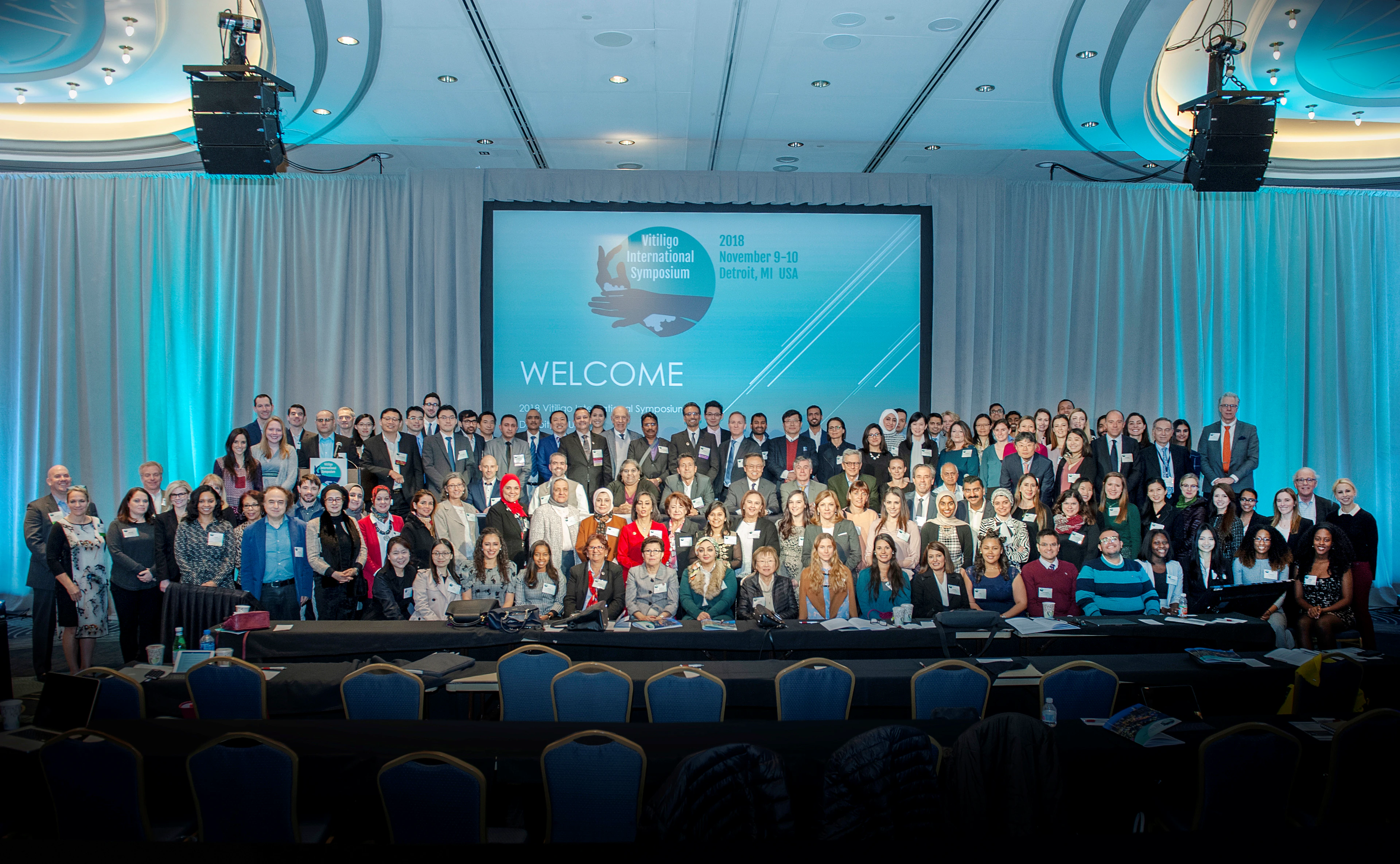
Vitiligo occurs everywhere in the world. However, the standards for diagnosing and treating it have varied slightly from country to country. When the same disease is called by different names and treated in different sequences, both patients and doctors are inevitably confused. So 42 vitiligo experts and 4 patient representatives from around the world came together to create unified standards. This is the guideline introduced in issue 61. This part covers diagnosis and management. I participated as a Korean expert in the International Vitiligo Task Force (IVTF).
Q1 How were these recommendations developed?
It was developed by consensus through multiple online and in-person meetings involving 42 vitiligo experts and 4 patient representatives from around the world. This was because diagnostic and treatment approaches varied slightly by country, causing confusion. A unified standard and step-by-step guidance based on the latest evidence were needed. I participated as a co-author in this international collaboration. For each topic, at least two experts summarized the evidence. Remaining issues were resolved through surveys of a core expert group, and the results were re-validated in full meetings. The process was conducted with thoroughness.
Q2 What does this actually mean for patients?
Above all, the importance of 'shared decision-making between doctor and patient' was emphasized. Vitiligo is a disease that requires long-term management. Moreover, stabilizing the disease and restoring color involve different approaches. Therefore, clearly discussing treatment goals with the patient is the starting point. The guideline recommends that doctors fully explain the expected course and anticipated outcomes based on examination findings. It also made assessing whether the disease is currently spreading (activity) a core element of personalized treatment. By unifying the nomenclature and the overall framework of diagnosis, assessment, and treatment in this way, consistent direction can be established regardless of which country you receive care in.
Closing remarks
This is significant because it brings together and unifies, for the first time, the standards for diagnosing and managing vitiligo that differed from country to country. Being able to establish a consistent direction no matter where you receive care is reassuring for patients. It was meaningful for me to participate as a Korean expert in this international consensus. The part of the same guideline that covers treatment methods is issue 61.