


Heal House Vitiligo Research 67 · Review
What treatments are available for vitiligo and how do you choose?
Bridging Molecular Mechanism and Clinical Practice in Vitiligo Treatment: An Updated Review
Last reviewed
In short
Vitiligo treatment is divided into phototherapy, topical medications, oral medications, and procedures. By organizing each treatment according to how it works in the body, you can make a more informed choice. Recently, a new class of drugs called JAK inhibitors is gaining attention.
Vitiligo treatment has changed noticeably in the past few years. In the past, phototherapy and topical medications were the main options. Now, the choices have expanded significantly to include oral medications, various procedures, and new drugs that precisely target the immune system. However, as the number of options increases, the question of 'what to use and why' becomes more important. So, I gathered the scattered treatments together according to their respective mechanisms of action. I set out to draw a map that can be readily consulted in the clinic.
Q1 How Are Vitiligo Treatments Broadly Categorized?
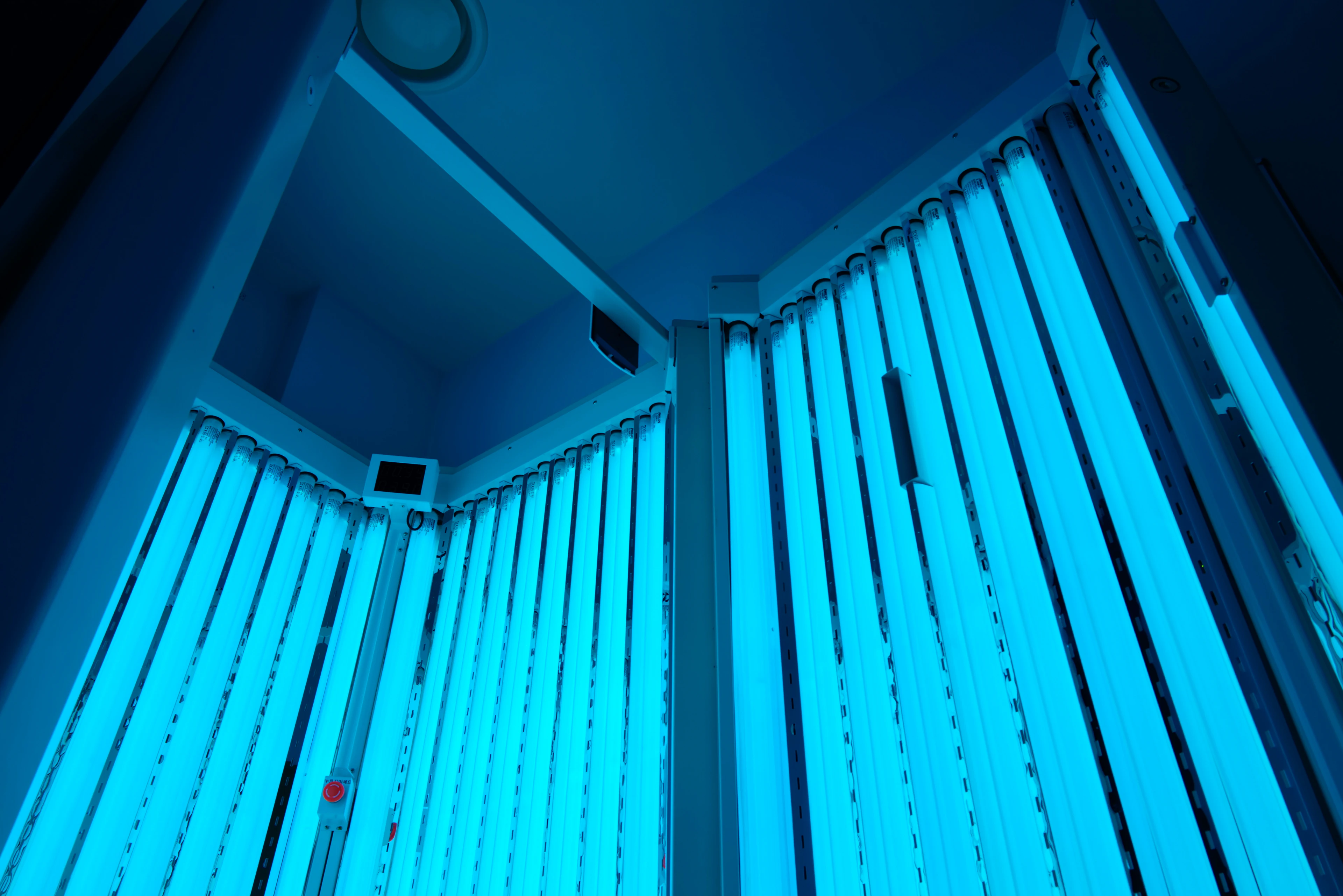
They are broadly divided into non-surgical treatments and procedures. Non-surgical treatments are further organized into phototherapy, topical medications, and oral medications. Phototherapy includes photochemotherapy (PUVA), narrowband UVB phototherapy, excimer laser, and PALLAS laser. Topical medications include Protopic ointment, ELIDEL cream, steroids, and 5-fluorouracil. Oral medications include steroids, mycophenolate, cyclosporine, methotrexate, minocycline, afamelanotide, and antioxidants. Adding mild procedures such as fractional laser or microneedling can further enhance the effect. The goals of treatment are threefold: to stop the spread, to restore color, and to prevent recurrence.
Major categories of vitiligo treatment
| Treatment category | Representative examples |
|---|---|
| Phototherapy | Photochemotherapy (PUVA), narrowband UVB phototherapy, excimer laser, PALLAS laser |
| Topical medications | Protopic ointment, ELIDEL cream, steroids, 5-fluorouracil |
| Oral medications | Steroids, mycophenolate, methotrexate, afamelanotide, antioxidants, etc. |
| Procedures | Fractional laser, microneedling |
| New treatments | JAK inhibitors |
Q2 Are There Any Newly Emerging Treatments?
The most notable are JAK inhibitors. These drugs block the signal that tells the immune system to attack pigment cells, interrupting it at the pathway. As our understanding of why vitiligo occurs has deepened significantly in recent years, these drugs are being actively researched. While existing treatments broadly suppress the immune system or stimulate pigment cell regrowth, JAK inhibitors specifically target the particular pathway that causes vitiligo. Although this is still a developing field, it has the potential to become a major pillar of vitiligo treatment in the future.
Q3 Why Focus on the Mechanism of Action?
Because knowing how each treatment actually works in the body allows you to make a more informed choice. In this review, I have organized various treatments one by one according to the principles by which they produce effects. This allows me to explain, based on evidence, which treatment is more suitable for which patient and why using two treatments together can be beneficial. I wanted to create a map that connects the seemingly complex world of treatments through their mechanisms, which clinicians can keep at hand for reference.
Closing remarks
As treatment options rapidly increase, the question of 'what to use and why' has become even more important. This review is an article that connects scattered treatments through their mechanisms of action to create a single map. It serves as a reliable reference for choosing the right treatment for each patient in the clinical setting. I wanted to show at a glance where vitiligo treatment currently stands and where it is headed.