



Heal House Vitiligo Research 64 · Original Article
Can a computer, rather than a person, measure the extent of vitiligo accurately?
Reliability and agreement testing of a new automated measurement method to determine facial vitiligo extent using standardized ultraviolet images and a dedicated algorithm
Last reviewed
In short
We validated a method for automatically measuring the extent of facial vitiligo using a computer program (Vitil-IA) instead of the human eye. When the same photo was measured again, the error was less than 3%, showing very consistent results.
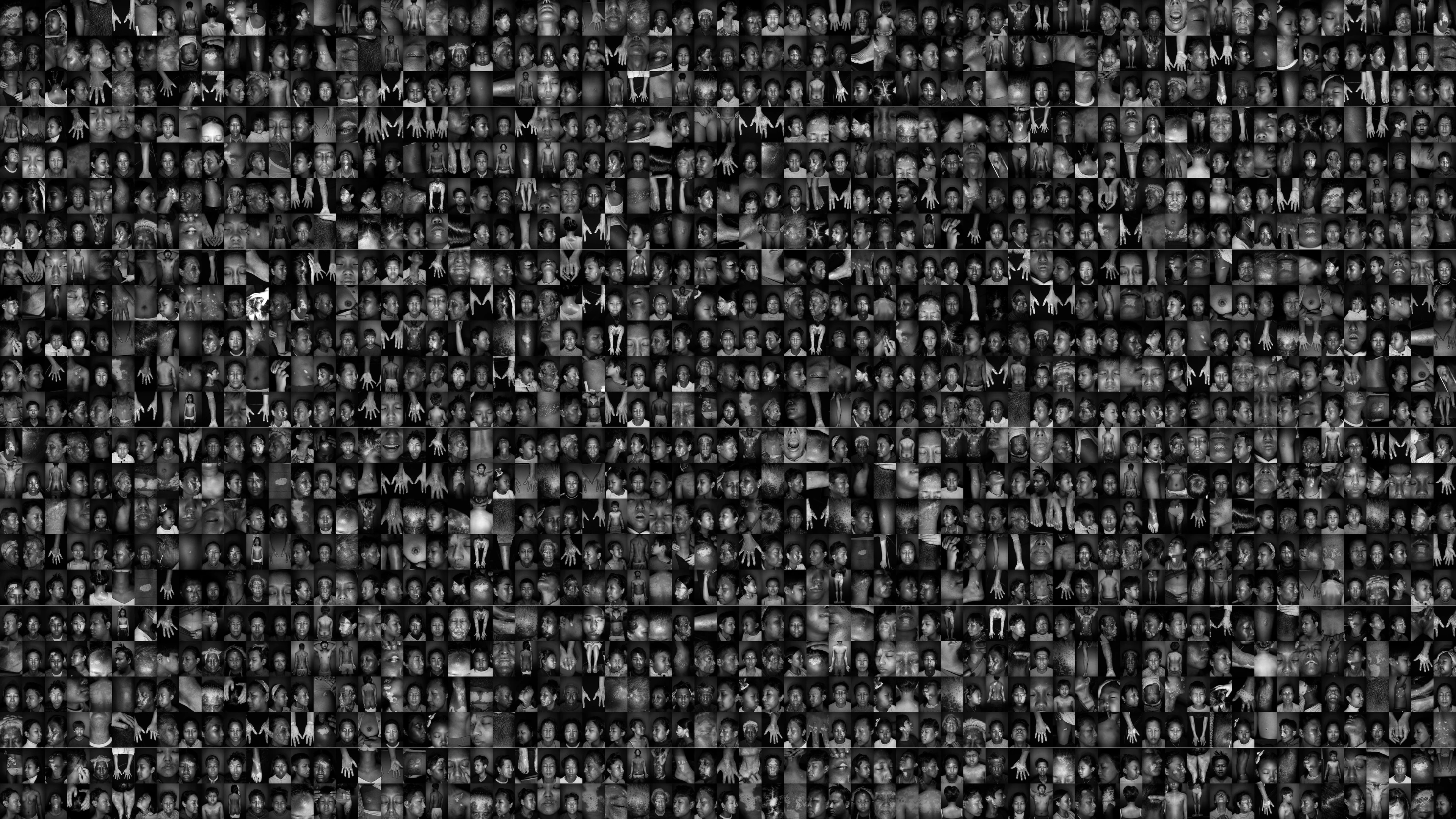
To determine whether vitiligo treatment is working well, you need to measure 'how much color has returned.' However, this measurement is more subjective than you might think. The facial vitiligo area score commonly used now is ultimately assigned by a person's eye. As a result, results often varied depending on the evaluator. Especially when lesions were patchy, even experts disagreed. So, to have a computer measure consistently instead of the human eye, we developed and validated a dedicated program that analyzes standardized ultraviolet photographs.
Q1 Why is automated measurement needed?
Until now, the score used to measure the extent of facial vitiligo has had the limitation that results varied from person to person due to evaluator subjectivity. When judging the effectiveness of vitiligo treatment, 'how much color has returned' is the most important criterion. However, if that judgment is inconsistent, the reliability of the research is undermined. So we developed a program called 'Vitil-IA' that analyzes standardized ultraviolet photographs and automatically calculates the proportion of depigmentation. We expected that measuring with consistent criteria instead of the human eye would yield the same results no matter who did the evaluation.
Q2 How accurate was it in practice?
When the same photo was measured again, the error was less than 3%, showing very stable results, and it also matched well with expert judgment. When compared with scores assigned by a group of vitiligo experts, there was little difference. In contrast, human-assigned scores varied greatly among evaluators when lesions were patchy. In the table below, 'agreement' closer to 1 means that evaluators' results were more consistent with each other. Human judgment varied widely depending on the evaluator, but the program produced consistent values without such fluctuation. This means that even a less experienced doctor can obtain reliable results.
Accuracy and agreement by measurement method
| Item | Value | In simple terms |
|---|---|---|
| Program repeated measurement error | Less than 3% | Very stable |
| Average difference between program and experts | 5.57 | Nearly identical to expert judgment |
| Agreement of human-assigned scores (experts) | ICC 0.52 | Only moderate agreement among people |
| Agreement for patchy lesions (non-experts) | ICC 0.19 | Very large variation in human judgment |
Closing remarks
This study shows the potential to make vitiligo assessment, which has relied on the human eye, more objective and consistent. When assessment is not subject to fluctuation, treatment effectiveness can be judged accurately. Therefore, such a tool is of great help in both research and clinical practice. In particular, it is reassuring that even less experienced doctors can obtain reliable results.