
Heal House vitiligo research 07 · Review
Vitiligo phototherapy: how long should it be continued and does it work?
Phototherapy for Vitiligo: A Systematic Review and Meta-analysis.
In short
Longer phototherapy led to greater color restoration, and the response was most favorable on the face and neck. Hands and feet showed little response. These results are from phototherapy alone, without adding other treatments.
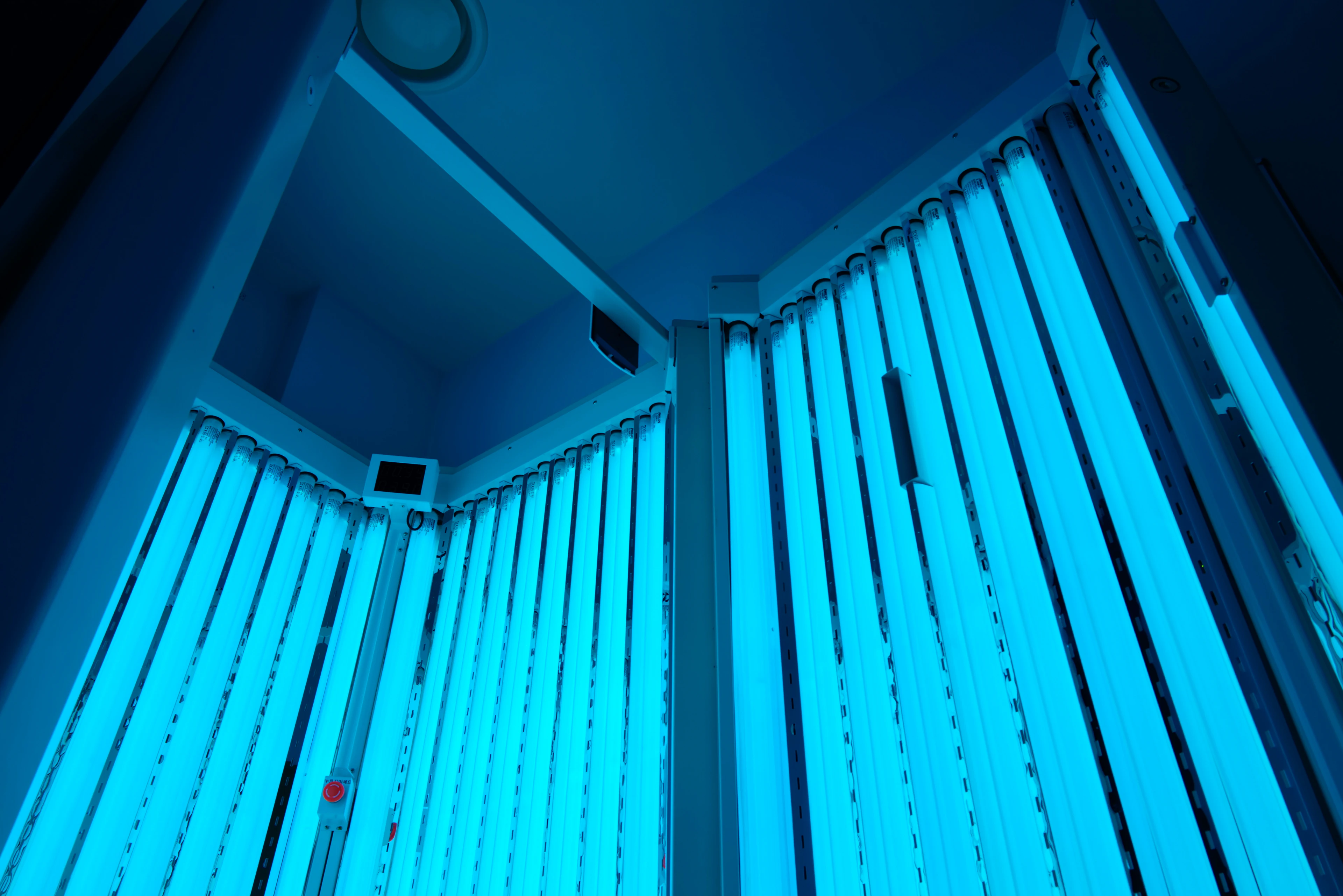
"How many sessions do I need to see improvement?" This is the first question people ask when starting phototherapy. Vitiligo phototherapy requires consistent treatment over several months. So, a "map" was needed to inform patients in advance how much improvement they can expect and after what period. Therefore, I gathered results from 35 prospective studies published worldwide, involving 1,428 patients, and drew that map.
Q1 Does longer treatment really lead to better results?
Yes, the response steadily improved as the treatment duration increased. Let's look at the most widely used narrowband UVB phototherapy. The proportion of patients who achieved at least some repigmentation increased from 62.1% at 3 months, to 74.2% at 6 months, and 75.0% at 12 months. The proportion of patients with marked improvement (≥75% repigmentation) was 13.0% at 3 months but rose to 35.7% at 12 months. This means that it is important to continue treatment consistently over a sufficient period rather than making a hasty judgment after just a few sessions.
One important point to note: these numbers are based on results from phototherapy alone, without adding other treatments. In actual practice, topical medications and other therapies are often used together, so real-world results may be better.
Response by treatment duration for narrowband UVB phototherapy
| Treatment duration | At least some response (≥25%) | Marked response (≥75%) |
|---|---|---|
| 3 months | 62.1% | 13.0% |
| 6 months | 74.2% | 19.2% |
| 12 months | 75.0% | 35.7% |
Q2 Which areas of the body tend to respond well?
The face and neck improved the most. The hands and feet showed the slowest response. After receiving narrowband UVB phototherapy for 6 months or more, the rates of marked improvement were 44.2% for the face and neck, 26.1% for the trunk, and 17.3% for the arms and legs. The hands and feet showed no cases of marked improvement. This is believed to be because hair follicles, which serve as reservoirs for repigmenting melanocytes, are abundant on the face but sparse on the hands and feet. Therefore, lesions on the hands and feet have limitations with phototherapy alone, and other treatments are often considered together.
Rate of marked improvement by body area (narrowband UVB phototherapy, 6 months or more)
| Area | Marked response (≥75%) |
|---|---|
| Face and neck | 44.2% |
| Trunk | 26.1% |
| Arms and legs | 17.3% |
| Hands and feet | Minimal (0%) |
Closing remarks
Thanks to this analysis, I can now provide patients starting phototherapy with numerical guidance on what to expect and when. For the face and neck, patients can be optimistic. For the hands and feet, I honestly explain that patience and combination therapy are needed. However, these numbers are based on phototherapy alone. In actual practice, topical medications and other therapies are often used together, so results may be better. Evidence-based expectations, rather than vague waiting, provide the motivation to continue long-term treatment.