


Heal House Vitiligo Research 72 · Original Article
Can artificial intelligence tell whether vitiligo is spreading just from a photo?
Performance of deep learning algorithm based on Xception in evaluating morphological characteristics reflecting the activity of vitiligo
In short
This study examined whether a computer can determine if vitiligo is currently spreading by looking at photos.
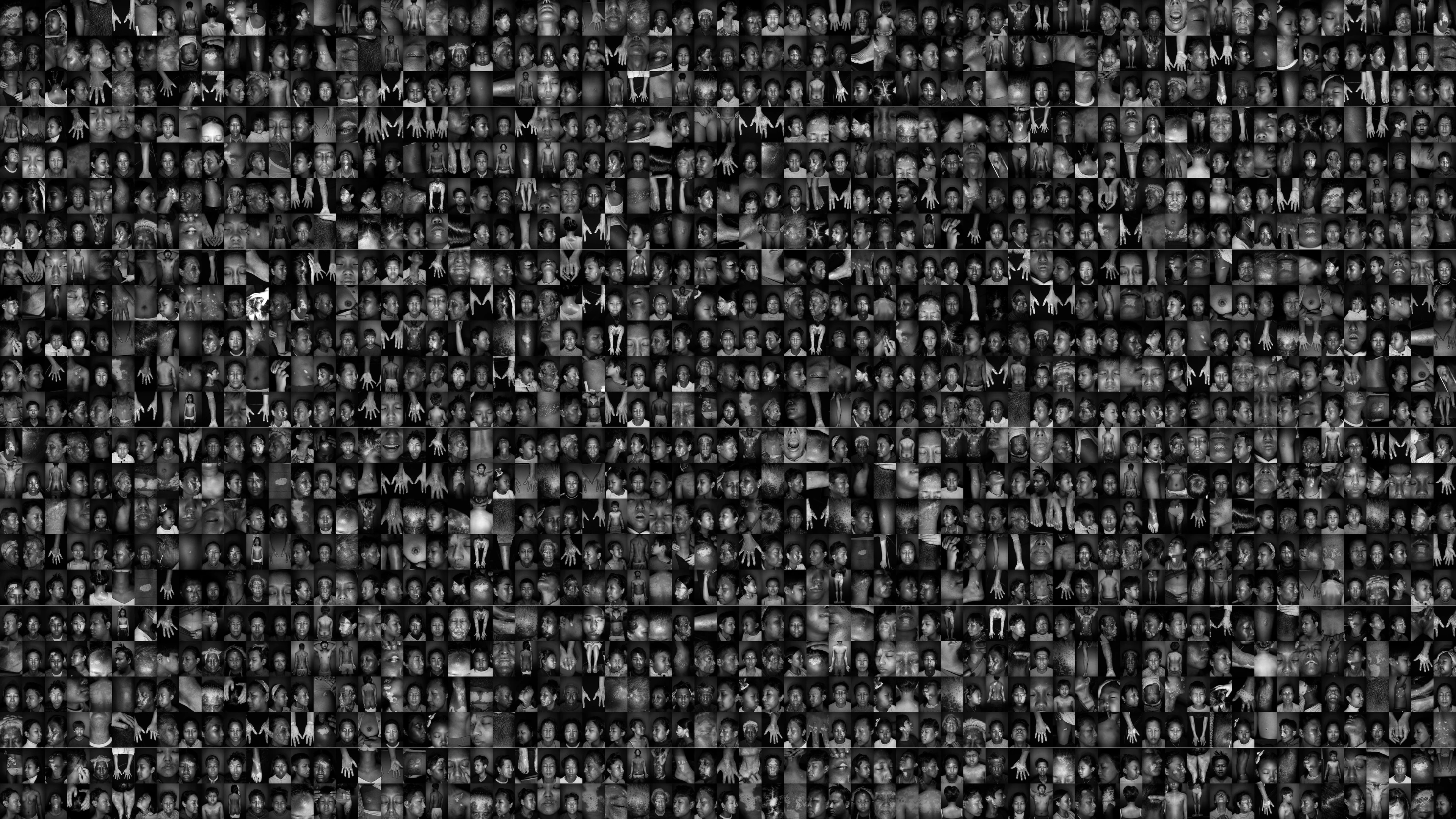
These days, artificial intelligence technology that can read the skin from a single photo is advancing rapidly. In vitiligo, whether the disease is currently spreading is the key to determining the timing of treatment. However, the signals can be very subtle and easily missed by the human eye. So we showed the computer many vitiligo photos, trained it, and then tested how well it could identify spreading vitiligo. I participated in this study as a co-researcher.
Q1 What does the computer look at to determine whether vitiligo is spreading?
The computer learns very subtle shape changes that occur when vitiligo spreads, by looking at numerous photos on its own. For example, clues such as whether the edges of white patches are distinct or blurred, or whether there are small color changes in the surrounding area. These are signals that are easy for the human eye to miss. In this study, we used an artificial intelligence program called Xception, which is strong at reading medical images. It was an attempt to read signals from photos using the same criteria every time, instead of relying on the doctor's subjective impression.
Q2 How can this technology help in clinical care?
Being able to judge whether the disease is spreading or not using the same criteria every time can greatly help determine when to start treatment promptly. Until now, there has been a heavy reliance on the doctor's experience and keen eye. If a computer can assist alongside, it can reduce the variability in judgment between doctors. Also, because the same criteria can be applied repeatedly, it is useful for tracking whether the condition improves or worsens over time. Of course, it is not a replacement for the doctor but a tool to assist. As this technology is refined in the future, it will help start appropriate treatment at an earlier stage.
Closing remarks
In vitiligo treatment, it is very important not to miss the period when the disease is spreading. If a computer can help with that judgment, it may allow us to pinpoint the critical moment more accurately. I participated in this study with the expectation that this technology will become a reliable assistant that broadens the eyes of clinical practice.