


Heal House Vitiligo Research 69 · Review
How many people have vitiligo worldwide?
Estimating the burden of vitiligo: a systematic review and modelling study
Last reviewed
In short
It is estimated that about 3 to 4 in 1,000 people worldwide will experience vitiligo at some point in their lives. In terms of number of people, this is approximately 28.5 million. It was more common in adults.
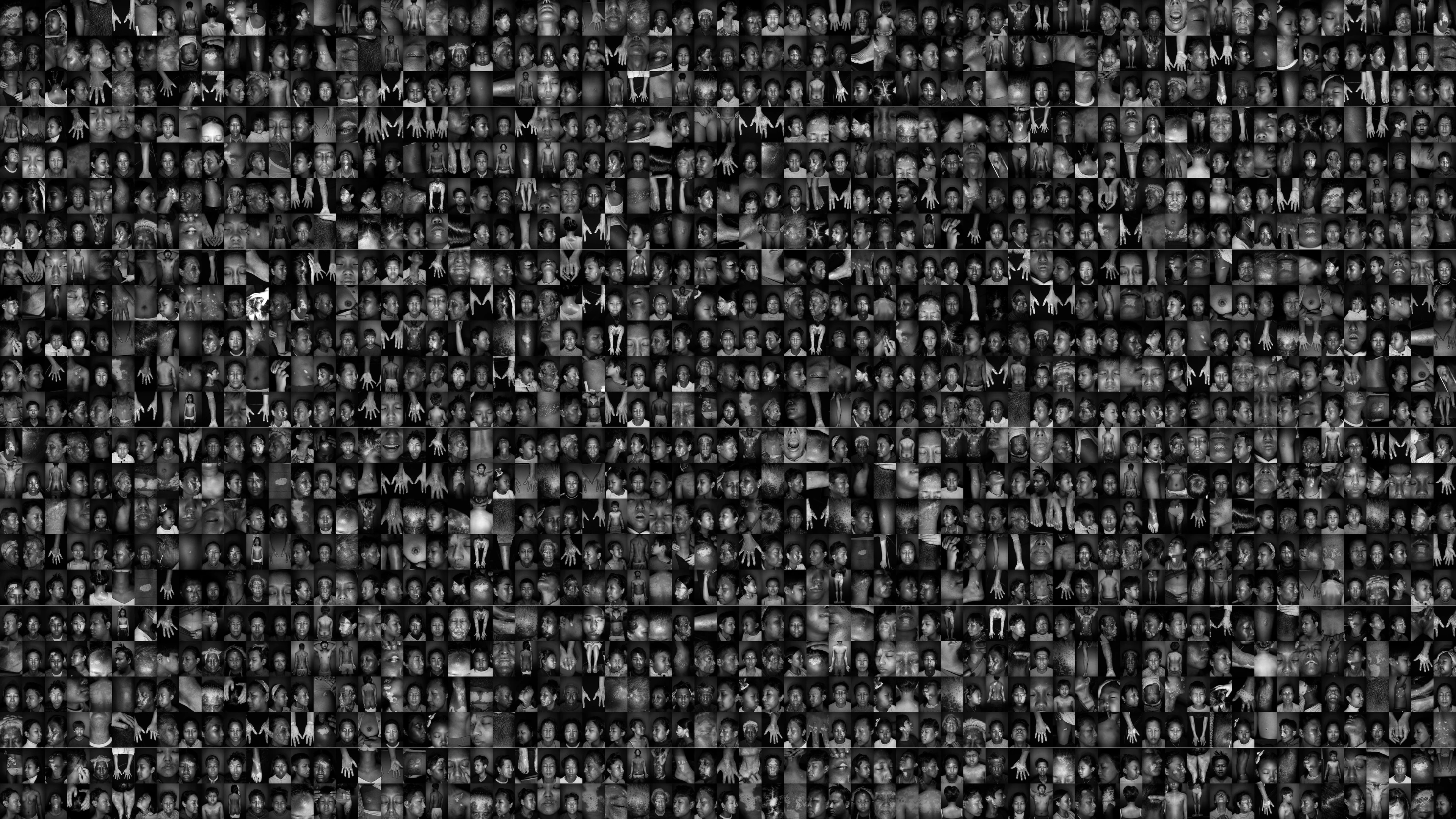
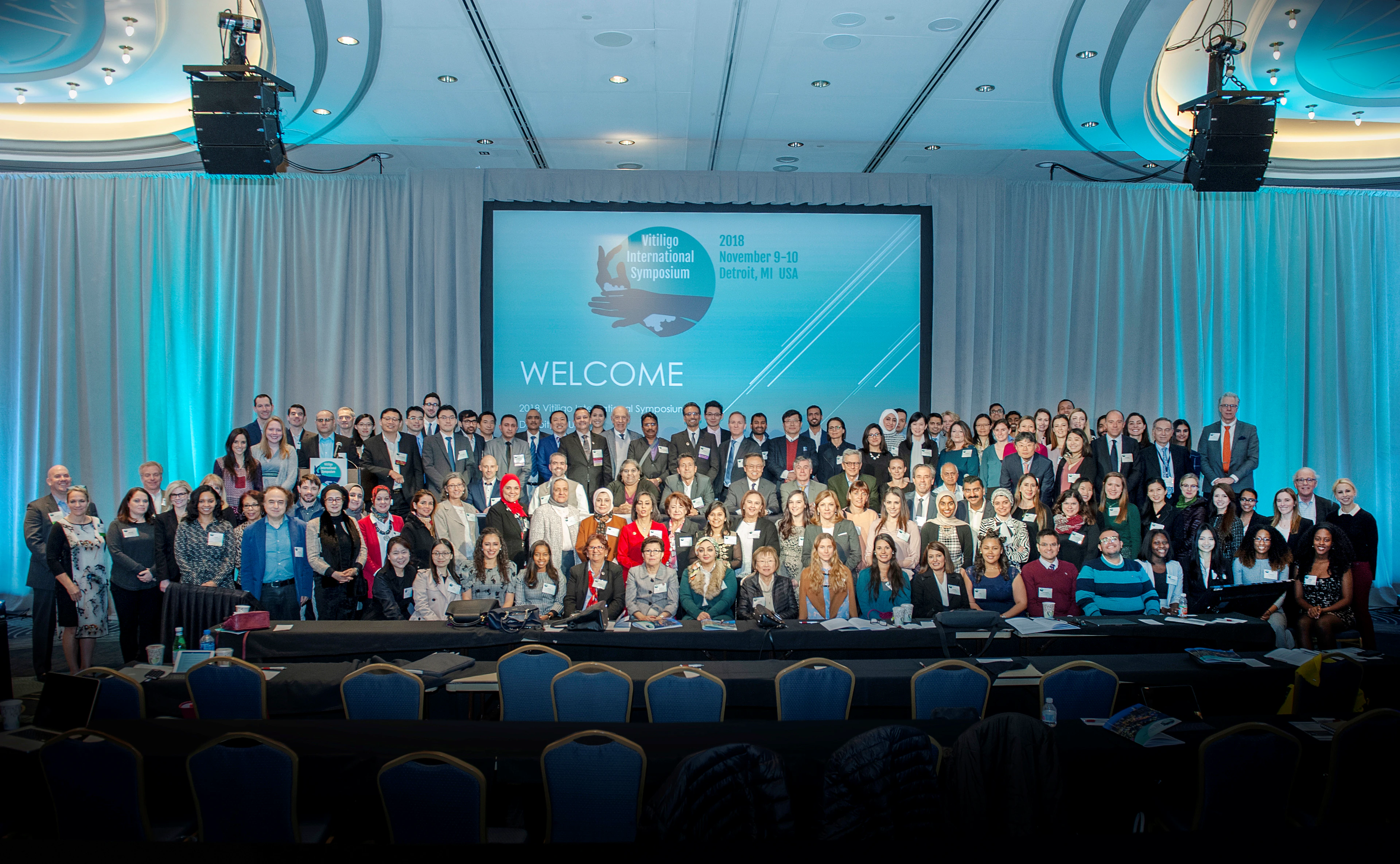
'How many people in the world have vitiligo?' is an old question. However, survey standards differ by country, making it difficult to answer properly. Without reliable global statistics, health policies and research priorities remain unclear. So we searched 9 databases, collected 90 studies, and used statistical models to estimate the number of patients worldwide. I participated as a co-investigator in this international study (Global Vitiligo Atlas).
Q1 How many people worldwide have vitiligo?
It was estimated that about 0.36% of the world's population experiences vitiligo at least once in their lifetime. That is about 3 to 4 per 1,000 people, or approximately 28.5 million individuals. Among adults, it was more common at 0.67% (about 37.1 million), while in children it was lower at 0.24% (about 5.8 million). In all regions, it was more common in adults than in children. By region, Central Europe and South Asia had the highest rates at 0.52% each. This is summarized in the table below.
Estimated global lifetime prevalence of vitiligo
| Target | Prevalence | Estimated number | In simple terms |
|---|---|---|---|
| Total population | 0.36% | Approximately 28.5 million | 3 to 4 per 1,000 |
| Adults | 0.67% | Approximately 37.1 million | 6 to 7 per 1,000 |
| Children | 0.24% | Approximately 5.8 million | 2 to 3 per 1,000 |
Q2 How many new cases occur each year, and how was this estimated?
The number of new vitiligo cases per year varied by country, ranging from about 2 to 3 per 10,000 people (South Korea, 2019) to about 6 per 10,000 (United States, 2017). Multiple studies showed an increasing trend over time. This estimate was calculated using statistical models based on 90 studies that met criteria, drawn from over 22,000 records found in 9 academic databases. The key point of this study is that it standardized different survey criteria across countries to make them comparable.
Q3 Why does this research matter?
The significance lies in being the first to measure, using a consistent standard, how many people worldwide have vitiligo. Such statistics are necessary to properly prioritize health policies and research investments in each country. The study also highlighted that people with darker skin tones experience greater stigma and psychological burden from vitiligo, and that more attention is needed for them. Additionally, it suggested further research in regions and populations where data have been lacking. This study helps us view vitiligo as a global health issue that needs to be addressed together.
Closing remarks
To the old question 'How many people in the world have vitiligo?', this study has drawn the first reliable global map. When the scale is revealed in numbers, vitiligo, which has often been regarded only as a cosmetic issue, can attract the attention it deserves. It was meaningful for me to participate as a co-investigator in this international collaborative study.