



Heal House Vitiligo Research 42 · Review
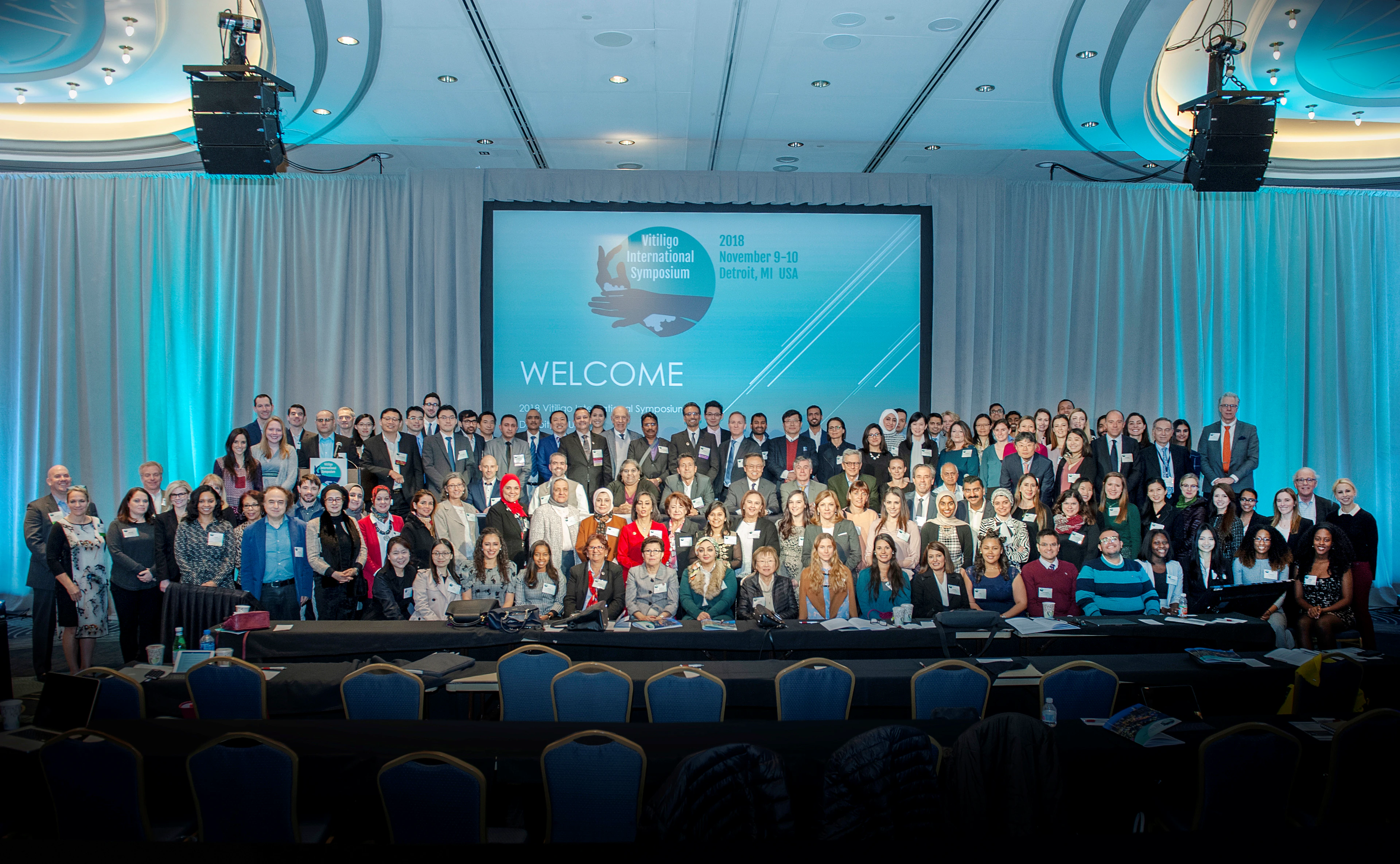
Korean vitiligo experts gathered to find answers for vitiligo treatment.
Development of evidence-based consensus on critical issues in the management of patients with vitiligo: A modified Delphi study.
Last reviewed
In short
For 12 vitiligo treatment issues where opinions among doctors varied due to lack of evidence, 31 domestic vitiligo experts gathered and reached a consensus to provide answers.
In treating vitiligo, we often encounter questions with no answers in textbooks or guidelines, such as "How long can phototherapy be continued?" or "Should oral steroids be used?" Because research evidence is insufficient, opinions vary among physicians. The method used in such cases is to systematically gather the judgments of multiple experts through several rounds of anonymous feedback and consensus-building. Therefore, I gathered domestic vitiligo experts to reach a consensus on these difficult questions.
Q1 How Was the Consensus Reached?
We used a method of building consensus through several rounds of anonymous opinion exchange to avoid participants being influenced by each other or swayed by the loudest voices. First, 31 vitiligo experts gathered and voted to select 12 clinically unclear questions. For each question, two experts thoroughly reviewed relevant literature and drafted an answer. The remaining experts then rated each draft from 1 (strongly disagree) to 9 (strongly agree). After five rounds of revision and discussion, we finalized answers that everyone could accept.
Study at a Glance
| Item | Content |
|---|---|
| Participating experts | 31 vitiligo experts |
| Issues addressed | 12 treatment questions with insufficient evidence |
| Approach | Comprehensive literature review + 5 rounds of iterative discussion |
| Agreement assessment | Each item rated from 1 to 9 to reach consensus |
Q2 Which Questions Were Addressed?
These were practical questions frequently encountered in clinical practice, such as whether phototherapy can be used long-term, and how to use oral or topical steroids. We also addressed when and how to use Protopic ointment, ELIDEL cream, oral immunosuppressants, excimer laser, and surgical treatment. This consensus fills gaps in existing guidelines, providing practical guidance for shared decision-making between physicians and patients. Its significance lies in providing an "answer reached by experts" where clear answers were previously lacking.
Closing remarks
For questions that were set aside due to insufficient evidence, we can now say, "Experts have reached this consensus." Of course, this consensus is not a perfect answer. It is a stepping stone to support clinical practice until better research accumulates. Still, this work is very meaningful to me because it provides a reliable reference for both physicians and patients when faced with uncertain decisions.